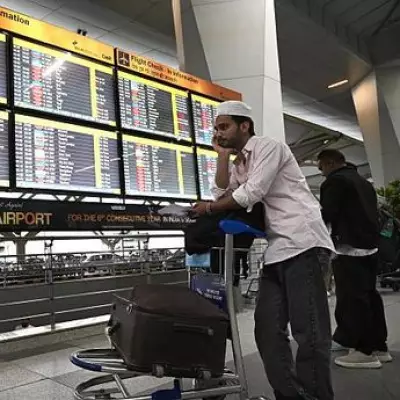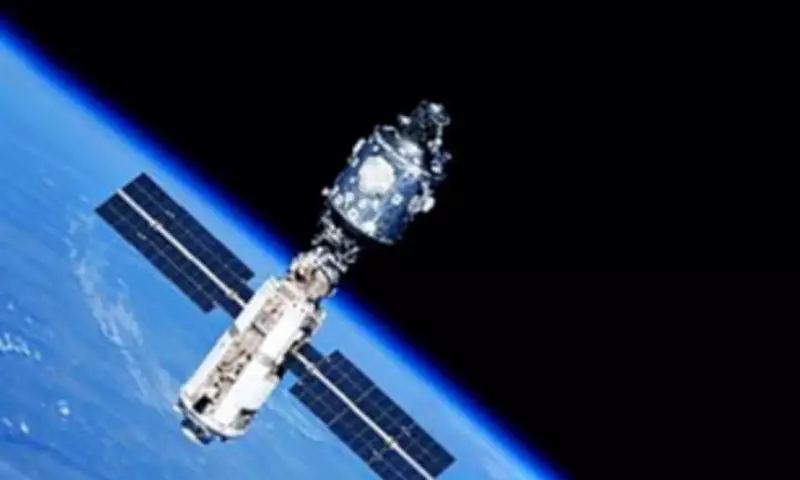
The skies above us are becoming increasingly congested, not only with commercial aircraft and other flying vehicles but also with a growing threat from above: space debris. While flights are commonly delayed by adverse weather conditions, technical malfunctions, or industrial disputes, experts are now highlighting that orbital junk could emerge as a significant future concern for aviation safety.
The Rising Risk from Above
As the number of satellite launches accelerates and commercial air traffic continues to expand, the probability of space-related matter causing operational issues is undergoing a notable shift. Research published in Scientific Reports indicates a 26 per cent annual chance of an uncontrolled rocket re-entry occurring. This refers to situations where a malfunctioning satellite returns to Earth in an unplanned manner.
Understanding the Actual Threat
Eurocontrol, the European air traffic management organisation, has clarified to Euronews that this statistic does not imply direct collisions between aircraft and falling debris. Instead, it signifies the likelihood of a descending rocket traversing airspace utilised by commercial planes. In such scenarios, aviation authorities may be compelled to temporarily close affected flight routes as a precautionary safety measure.

To date, there have been no documented instances of space debris impacting passenger aircraft. The probability of such an incident materialising remains exceptionally low, estimated at approximately one in a million years. Nevertheless, even precautionary airspace closures could rapidly create widespread disruption for travellers.
Growing Traffic in the Skies
Air traffic is projected to increase by 2.4 per cent annually until 2050, meaning both planes and satellites will share increasingly crowded aerial corridors. This dual expansion amplifies potential interaction risks between aviation and space operations.
Recent Incidents and Preparedness
Earlier this year, the Chinese Zhuque-3 rocket, launched in early December, crashed into the South Pacific Ocean after the United Kingdom was placed on red alert for potential falling debris. Had fragments landed over UK territory, an emergency alert system stood ready to warn residents about the imminent danger.
A UK government spokesperson informed the Daily Mail: 'It is extremely unlikely that any debris enters UK airspace. As you'd expect, we have well rehearsed plans for a variety of different risks including those related to space, that are tested routinely with partners.'
In 2022, airspace over sections of Spain and France was temporarily closed when rocket debris was predicted to fall in the region. This precautionary action resulted in hundreds of flight delays, although the material ultimately landed harmlessly in the sea, far from the anticipated trajectory.
The Frequency of Falling Debris
The Mail has previously reported that it is not unusual for pieces of rocket and satellite debris to descend to Earth, with such material passing over the UK approximately seventy times each month. The vast majority of this debris burns up completely upon atmospheric re-entry due to intense frictional heat.
While the direct risk to aircraft remains minimal, the operational implications of managing potential debris events are becoming more pressing. As both space exploration and global aviation continue to grow, coordinated international strategies will be essential to ensure that the skies remain safe for all who travel through them.