Smart Motorway System Failure Known for Days Before Fatal Crash, Court Hears
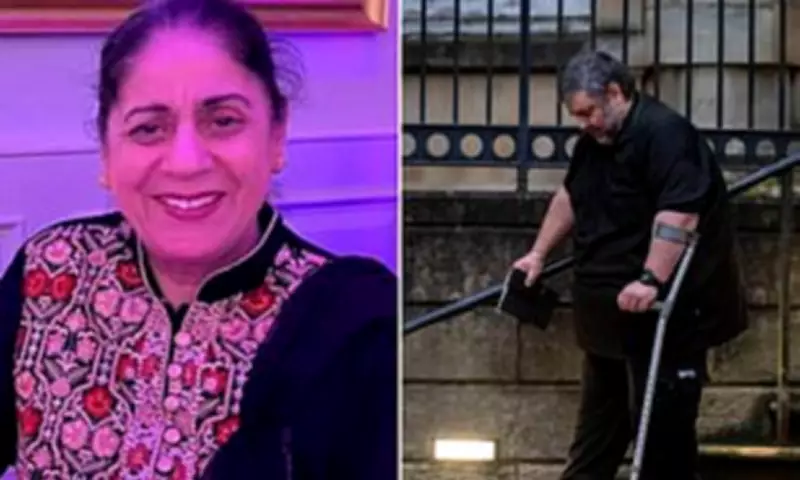
A van driver has told a court that National Highways was aware its smart motorway safety system had failed and "did nothing about it" for five days before a grandmother was killed in a crash on the M4. Barry O'Sullivan, 45, made the claim during his trial at Reading Crown Court, where he denies causing death by careless driving.
Fatal Collision on the M4
The incident occurred on March 7, 2022, during morning rush hour between Junctions 11 and 12 of the M4. Pulvinder Dhillon, 68, was a passenger in a Nissan Micra that had stopped in the outside lane. Six minutes later, O'Sullivan's Ford work van collided with the stationary car, fatally injuring Mrs Dhillon.
O'Sullivan told jurors he was "made aware for the first time this week" that National Highways, the government-owned body responsible for motorways, knew the smart motorway system was non-operational. "They did absolutely nothing about it and hence this tragedy has happened," he stated, describing the crash as "preventable, totally preventable."

Defence Argues System Failure Was Overriding Cause
Defence barrister Ian Bridge presented O'Sullivan's case, arguing that the "over-riding cause" of the collision was the failure of the safety technology, not the defendant's driving. "If it wasn't him, it would have been somebody else," Bridge said, emphasising that motorists rely on the safeguards provided by smart motorways.
Bridge explained that the system, which could have closed the outside lane by displaying a red X on overhead gantries to alert drivers to the stranded Nissan, had been "defective for five days." He added, "Mr O'Sullivan and all other road-users were completely oblivious that their protection system was defective. It appears that National Highways were also unaware."
Prosecution Highlights Potential Warning Cues
Prosecutor Ian Hope countered by listing "potential cues" that should have indicated the Nissan was stationary, including:
- Hazard lights on the vehicle
- A fixed gantry ahead
- Other cars undertaking the Nissan
- The car not being central in its lane
Hope suggested O'Sullivan missed these cues until the "last second" due to a lack of "proper care or attention." O'Sullivan denied this, asserting, "I disagree. I was paying attention. I agree I hit the vehicle, but it wasn't due to my lack of care."
Reliance on Smart Motorway Technology
When questioned about whether he drives less carefully on smart motorways, O'Sullivan responded, "I drive carefully whenever I'm behind the wheel." He noted that on smart motorways, drivers are "reliant" on the additional signage and technology, and confirmed there were no warning signs of an obstruction ahead at the time. "Had there been so, who knows what would have happened," he remarked.
Jurors were informed that on the day of the collision, the smart motorway system was not functioning and "wasn't showing messages about any obstructions in the road ahead." The court previously heard that O'Sullivan was allegedly travelling "at speed" in the outside lane before the crash.
O'Sullivan, from Wixams near Bedford, has pleaded not guilty to causing death by careless driving. Expressing his dismay, he said, "I'm amazed the incident happened knowing what I know now. On the motorway, you expect if there are safety systems there, to be functional and tested routinely. This could happen again tomorrow, God forbid." The trial continues.