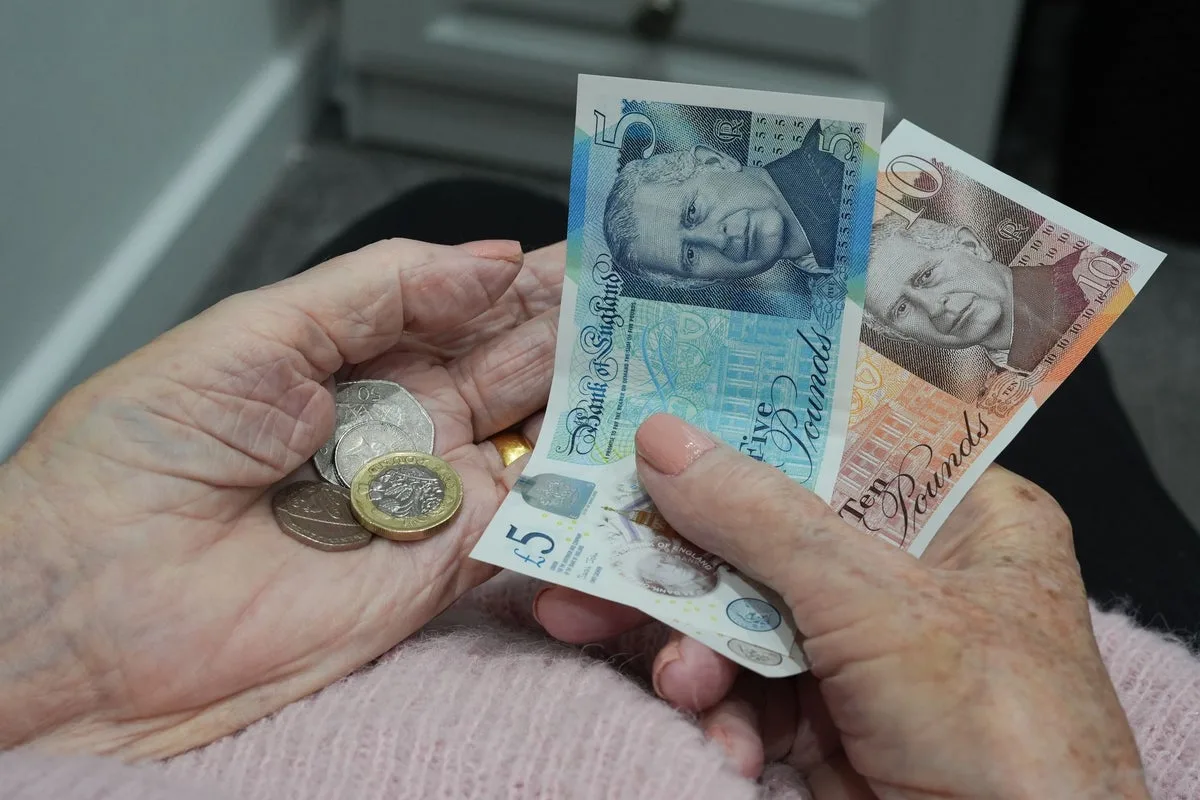
Around 12.2 million adults across the UK are at risk of being unable to cover their basic financial needs in retirement, according to a report by Scottish Widows. This figure represents an improvement from last year's estimate of 15.3 million people who were not on track for even the minimum retirement income.
The improvement has been partly driven by people who do not save into a pension seeing gains elsewhere, such as slightly higher pay, increased non-pension savings, or higher levels of homeownership. Falls in energy costs have also helped improve the benchmark for the amounts households need to live on. However, researchers cautioned that with global events pushing energy costs back up, this positive progress could soon be undone.
Scottish Widows' national retirement forecast took into account retirement living standards set out by Pensions UK. The standards were developed to help pension savers picture what kind of lifestyle they could have in retirement. The forecast projects retirement outcomes for people aged 22 to 65 based on their savings, behaviours, and income sources, comparing expected income to potential living and housing costs in retirement. It is based on a survey of around 6,000 people carried out by YouGov in February.
Some groups of people are particularly likely to be at risk of poverty in retirement, the report found. Fewer than one in five full-time employees face pension poverty, whereas more than a third of those in part-time employment or who are self-employed face a less than minimum retirement lifestyle. While increases to contribution levels under automatic enrolment can reduce pension poverty, those who are self-employed or work part-time jobs below the earnings threshold are not currently automatically enrolled.
Focusing specifically on those with physical or mental health conditions that impact their day-to-day lives, the report found that fully half (50%) face pension poverty. Pete Glancy, head of pension policy at Scottish Widows, said: "This report paints a complex picture. While the fall in pension poverty compared to a year ago is a step in the right direction, this shift in retirement fortunes is complex and the current state of the nation's savings is still polarised. The factors we can control, like how much we save or how much we expect to receive in retirement, may improve, but can easily be thrown off course by shifting external factors like increases to energy and general cost of living."
Scottish Widows recommends policy measures including increasing the statutory level of saving into workplace pensions through automatic enrolment from 8% to 12% and creating an equivalent of auto-enrolment for the self-employed sector. Mr Glancy added: "Most people are unlikely to have enough in their pension pots alone to fund their desired retirement, so pensions can no longer be viewed in isolation. Considering pensions alongside other savings, investments and housing wealth and advancing the Government's open finance agenda will be key to improving retirement outcomes for all."
Helen McGinty, head of financial advice distribution at Skipton Building Society, said: "The earlier you start planning, the more options and flexibility you'll have later on. It's also important to consider how best to spread your retirement pot across your lifetime, especially as health and lifestyle needs change. Small steps taken today can make a huge difference to how comfortably – and confidently – you're able to live in the future."
A Department for Work and Pensions (DWP) spokesperson said: "The Pensions Commission is examining how we can ensure secure retirements for tomorrow's pensioners, while our newly passed Pension Schemes Act will bring about major reform to the UK pensions system, benefitting millions of workers to the tune of up to £29,000 by the time they retire. Supporting pensioners is a priority and our commitment to the triple lock for the rest of this Parliament also means millions of pensioners will see their yearly state pension rise by up to £2,100."
Work and Pensions Committee chairwoman Debbie Abrahams said: "While it's encouraging to see projections of pensioner poverty falling, this report still tells a sombre story – millions could still face hardship. The work of the Pensions Commission will be critical in determining how we can ensure adequate pension incomes in the future."