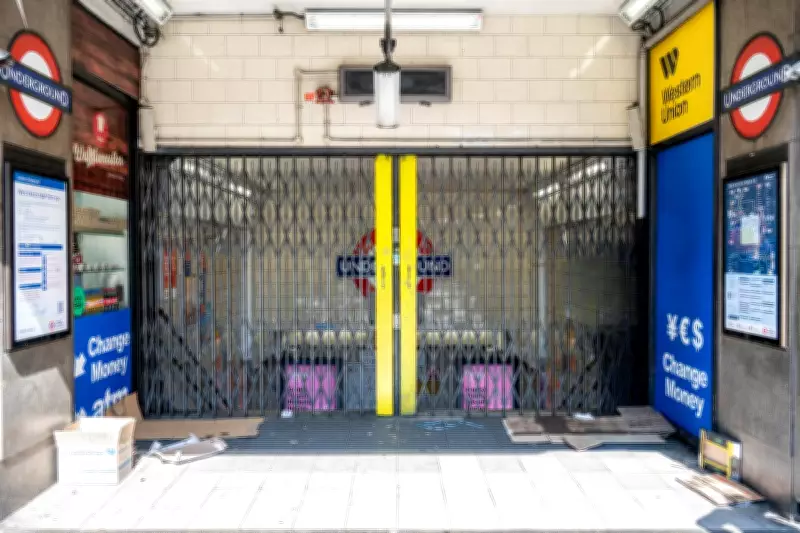
London commuters face another day of travel disruption this week as a second 24-hour Tube strike goes ahead on Thursday, following failed talks between the Rail, Maritime and Transport union (RMT) and Transport for London (TfL).
Why are the strikes happening?
The strikes are in response to proposed changes to working hours, including a new four-day week. The RMT says its members oppose the new arrangements, citing concerns over fatigue, longer shifts, reduced flexibility and safety implications. The drivers’ union Aslef has accepted the new deal.
Talks on Monday failed to resolve the dispute, leading to a strike on Tuesday and further action planned for Thursday. Previous strikes scheduled for June 16 and 18 were called off, but the union announced new dates of June 2 and 4.

Strike dates and times
- Tuesday 2 June, from 00:01 to 23:59
- Thursday 4 June, from 00:01 to 23:59
On these days, there will be virtually no service before 6:30am or after 9pm, with significant disruption throughout.
Which lines are affected?
The entire Tube network will be affected, but a reduced service will run on most lines. However, there will be no service on:
- Piccadilly line
- Circle line
- Metropolitan line between Baker Street and Aldgate
- Central line between White City and Liverpool Street
The Elizabeth line, DLR, London Overground, and tram services will run normally but are likely to be very busy.
What TfL says
Claire Mann, TfL’s chief operating officer, said: “We still believe that the points they have raised can be worked out in time, through more detailed discussions and we are continuing to talk to the union’s representatives to find a way to avoid disruption to London.” She added that the four-day week proposals are voluntary, with no reduction in contractual hours, and would improve reliability and flexibility.
TfL advises passengers to check before they travel on strike days.