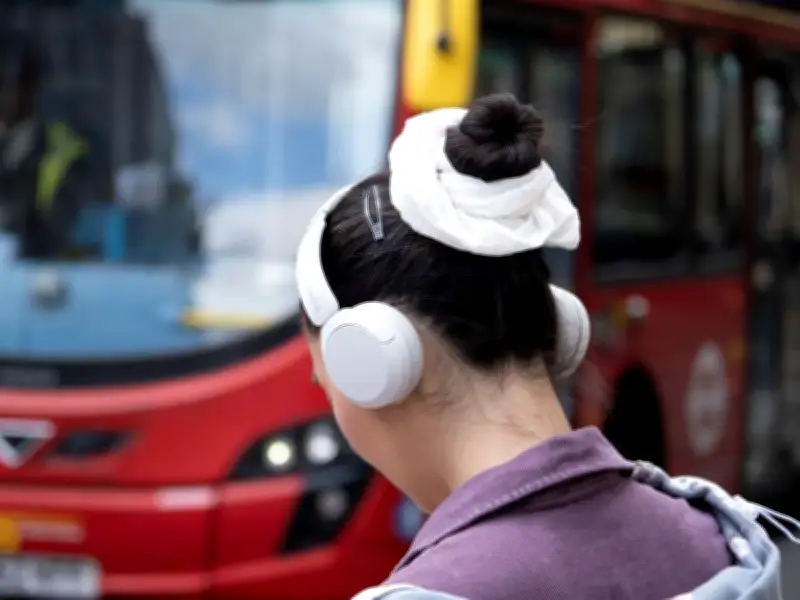
Travellers are calling for stricter rules on headphone use on public transport, as Scotland's providers each enforce their own policies on disruptive audio.
UK Government targets 'loudcasting' in England
On October 19, the UK Government launched new efforts to tackle antisocial behaviour on public transport in England, aiming to discourage "loudcasting." This could see bus passengers issued fixed penalties of up to £100 for causing trouble by playing loud music, littering, vaping, or threatening behaviour.
A national railway campaign has also been launched, introducing consistent messaging across all providers instead of the current patchwork campaigns run by individual train operators. This has been spearheaded by the Department of Transport.
ScotRail's headphone policy
ScotRail's current policy urges passengers to wear headphones while using technology, such as mobile phones, tablets, and laptops. This applies to listening to music, watching videos, playing games, and making calls. If the noise level from a device is found to be disruptive, staff may ask passengers to turn off the device or use headphones.
ScotRail abides by existing railway bylaws, which treat playing loud music to the annoyance of others as an offence. If disruption continues, passengers could be removed at the next station or receive a fine at court following a recommendation from the British Transport Police or Police Scotland.
Lothian buses and Stagecoach rules
In September, Lothian Buses updated its Conditions of Carriage, now classifying "excessive noise" from technology devices as anti-social behaviour. This includes playing any form of audio—such as using a loudspeaker or playing music—that can be heard by other passengers and causes a disturbance. Non-compliant passengers must give their name and address to the driver when requested, and may be obliged to leave the bus by a company official, police officer, or special constable.
Stagecoach states that its staff reserve the right to refuse entry or require passengers to leave the bus or premises at any time if they are believed to be behaving in a way that jeopardises the safety, security, or comfort of others. Passengers must refrain from playing loud music or operating a personal device at a volume which may be heard by other passengers. Those in breach must give their name and address to a company officer, may be restrained or removed, and will be refused further travel without refund.
Edinburgh Trams, Glasgow Subway, and Citylink
Edinburgh Trams reminds passengers that travelling means sharing a space with other people, so they should do nothing that endangers, causes discomfort, or offends other passengers, including playing music another passenger can hear. If requests to reduce noise are ignored, passengers must give their name and address to a company official when asked and may be obliged to leave the tram by a police officer or company official.
The Strathclyde Partnership of Transport reserves the right to refuse entry to or eject from the Glasgow Subway any passenger who compromises the comfort of others, including through playing loud audio deemed disruptive. If behaviour becomes threatening or violent, personnel will report the incident to the police, which could result in fines at court.
Scottish Citylink also bans playing loud audio through radios, technology, or CD players. Headphones must be used at a level the driver deems does not cause offence or inconvenience to other passengers. Passengers in breach of comfort rules can be refused or removed from the bus, and will not be entitled to any refund or compensation.