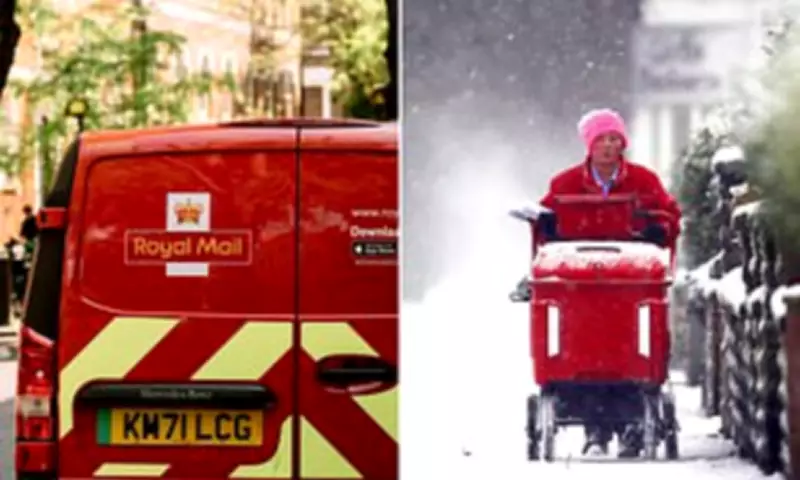
Royal Mail Pushes for Urgent Saturday Second-Class Post Scrap After Missing Delivery Targets
Royal Mail has declared an urgent need to implement changes that would eliminate second-class post deliveries on Saturdays, following another failure to meet its postal performance targets. The company reported that between September 29 and November 30, only 91.6 per cent of second-class mail was delivered within three working days, while 77.5 per cent of first-class post arrived the next working day. Regulator Ofcom does not enforce delivery targets during December due to the high seasonal demand around Christmas.
Although these figures represent an improvement from the previous quarter, they still fall short of Ofcom's stringent requirements. The regulator mandates that 93 per cent of first-class mail be delivered the next day and 98.5 per cent of second-class mail within three days. Royal Mail chief executive Alistair Cochrane acknowledged the progress but admitted that the current delivery model is unsustainable for achieving significant and lasting service improvements.
Challenges and Criticisms Facing Royal Mail
Royal Mail has attributed recent delays to adverse weather conditions, including storms Goretti, Ingrid, and Chandra in January, as well as higher-than-usual staff sickness rates. These issues have disrupted services across more than 100 postcodes nationwide. A spokesperson assured customers that most mail is delivered as planned but acknowledged the frustration caused by unexpected delays, promising extra support to restore normal operations quickly.

However, the company faces mounting criticism. Post office staff have revealed operational struggles, such as insufficient vans leading to shared vehicles and prioritisation of parcels over letters due to financial incentives. One postman described scenarios where only parcel deliveries were completed, while another noted that no mail was sorted on two days over Christmas. These accounts contradict Royal Mail's previous denials of such practices.
Regulatory and Union Discussions Intensify
Ofcom approved Royal Mail's proposal last year to scrap second-class Saturday deliveries and shift to an every-other-weekday service, set to begin on July 28. The company has piloted these changes in 35 delivery offices but has yet to expand them nationwide across all 1,200 sites due to unresolved negotiations with the Communication Workers Union (CWU). Intensive talks with the union commenced in February after disagreements over implementing reforms to the universal service obligation (USO).
Royal Mail asserts that the pilots demonstrate increased efficiency and improved service levels, even during the high-volume Christmas period. The company insists there is no alternative to urgently deploying these reforms across its network to enhance customer service quality. Conversely, the CWU has labelled Royal Mail as a 'company in crisis,' expressing scepticism about future service improvements despite new owners' promises to prioritise employees and customers.
Broader Implications and Public Concerns
The performance issues have drawn scrutiny from MPs, with the Business and Trade Committee giving Royal Mail two weeks to respond to concerns about postal 'chaos' since Christmas, including allegations of letters being delivered in batches. Citizens Advice has criticised Royal Mail's 'woeful performance,' warning that cuts to delivery days could exacerbate problems. Head of policy Anne Pardoe highlighted the serious consequences of late deliveries, such as missed medical appointments and unpaid bills, and called for any future stamp price rises to be tied to meeting delivery targets.
As discussions continue, the future of Royal Mail's service delivery remains uncertain, with stakeholders closely monitoring the outcome of union negotiations and regulatory compliance.