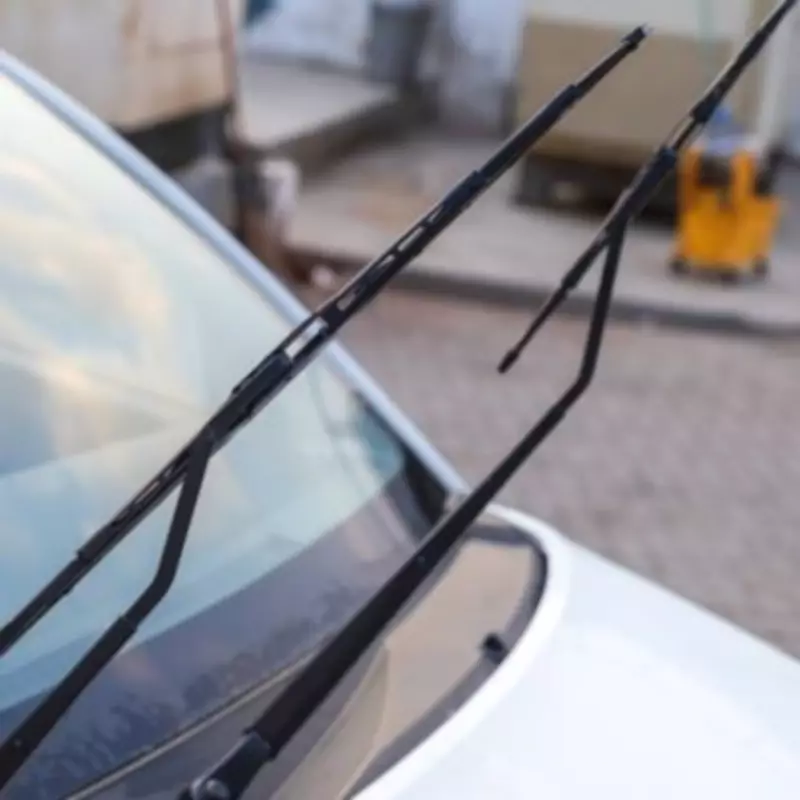
The Royal Automobile Club (RAC) has issued a critical warning to all UK motorists this February, urging them to completely avoid using their windscreen wipers on frozen glass. This essential piece of winter driving advice comes as the country faces particularly cold and frosty conditions, which can significantly impact vehicle performance and safety.
Why This Warning Is So Important
During the colder months, many drivers are tempted to quickly clear ice or frost from their windscreens by activating their wipers. However, the RAC emphasises that this common practice can lead to severe and costly damage. When wipers are used on a frozen surface, the ice acts like sandpaper against the rubber blades, causing them to tear or become blunt. This not only reduces visibility but can also strain the wiper motor and potentially blow fuses.
The RAC's Four Essential Winter Driving Tips
In a recent Instagram post, the RAC outlined four key recommendations to help drivers stay safe and protect their vehicles during winter:

- Inspect your battery to check if it needs replacement and examine your FORCES (fuel, oil, rubber, coolant, electrics, and screen wash).
- Maintain a safe distance from gritters on the road, as the salt they spread can harm your car's bodywork.
- Avoid using windscreen wipers on a frozen windscreen at all costs, as highlighted in this urgent warning.
- Ensure your vehicle is properly prepared for adverse weather conditions to enhance overall safety.
The Real Risks of Ignoring This Advice
According to the RAC's research, approximately 30% of UK drivers rely on their windscreen wipers to scrape away ice on cold mornings. This bad habit is part of a broader trend where nearly half of motorists may be unintentionally damaging their vehicles through improper deicing methods. The organisation stresses that wipers are completely ineffective at clearing frozen glass and should never be used for this purpose.
Other motorists have echoed this warning on platforms like Reddit, sharing personal experiences of damage caused by using wipers on ice. One user admitted, "I did the same thing once. It really doesn't take much to slightly damage the rubber on the blades." Another added, "Ice is like sandpaper to the sharp edge of a good wiper blade. Never use the wipers until all the ice has been melted off."
Safe Alternatives for Defrosting Your Vehicle
Instead of risking damage with wipers, the RAC recommends using safer, vehicle-friendly methods to clear ice. These include:
- Using a dedicated ice scraper to manually remove frost from the windscreen.
- Applying a de-icer spray to melt ice quickly and effectively.
- Utilising your car's built-in defroster to gradually clear the glass.
By adopting these practices, drivers can avoid unnecessary strain on their vehicles and ensure better visibility on the roads. The RAC's guidance underscores the importance of taking a few extra minutes in the morning to properly defrost your car, rather than resorting to shortcuts that could lead to bigger problems down the line.
As February continues to bring challenging weather conditions, following this expert advice is crucial for maintaining both vehicle longevity and road safety. The RAC's warning serves as a timely reminder that winter driving requires careful preparation and mindful habits to navigate the colder months successfully.