Nissan Qashqai Set for Full Electrification as Company Adjusts Strategy
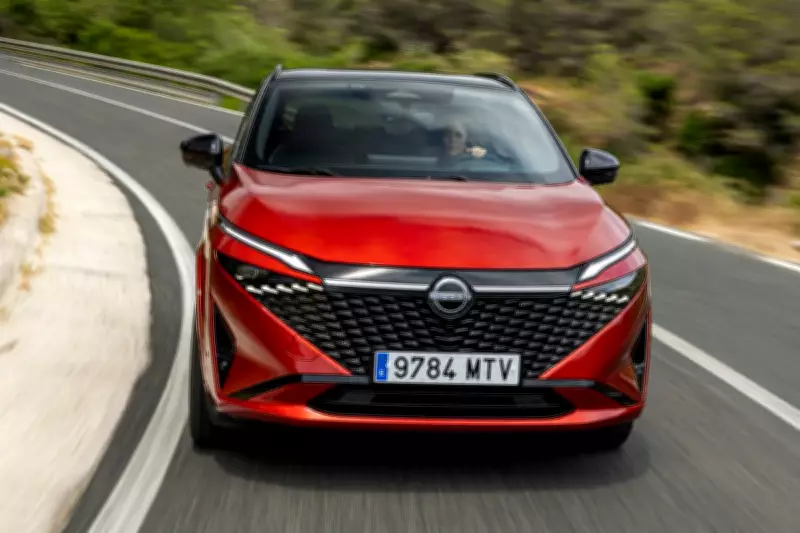
In a significant announcement for the UK automotive sector, Nissan CEO Ivan Espinosa has confirmed that the Nissan Qashqai, one of Britain's best-selling cars, is set to transition to an all-electric model. This move forms part of Nissan's broader commitment to electrify its entire lineup gradually, though the company acknowledges adjustments in the pace of this shift due to market dynamics.
Qashqai's Market Dominance and Current Offerings
The Nissan Qashqai has consistently ranked among the top-selling vehicles in the UK, securing the third position last year with 41,141 units sold and leading the sales charts in 2022. Currently, the model is available only with petrol and hybrid powertrains, all manufactured at Nissan's substantial plant in Sunderland. The hybrid version utilises Nissan's innovative e-Power technology, where a petrol engine charges a battery that subsequently drives the wheels, delivering an experience akin to driving an electric vehicle.
Expanding Electric Portfolio in Sunderland
Sunderland's role in Nissan's electric future is becoming increasingly pivotal. The facility already produces the new all-electric Nissan Leaf, which has been shortlisted for a World Car of the Year Award, alongside the Qashqai. Furthermore, an all-electric Nissan Juke is scheduled to be unveiled later this year and is expected to be built at the same location, reinforcing the plant's importance to Nissan's electrification strategy.

CEO's Vision for Electrification and Energy Integration
Espinosa, who assumed the CEO role in April last year, reiterated Nissan's dedication to an electric and sustainable future. He emphasised the company's ongoing investment in its EV portfolio and the development of technologies aimed at transforming electric vehicles into mobile energy sources. "We are committed to creating a fully integrated ecosystem that will help the integration of cars into society and assist in managing energy through the vehicles," Espinosa stated, highlighting a holistic approach to home energy solutions.
Adjusting Pace and Exploring Hybrid Technologies
Despite this commitment, Espinosa noted that the speed of electrification is being recalibrated in response to several factors:
- Customer demand fluctuations
- Infrastructure development challenges
- Varying levels of governmental support
- Evolving regulatory frameworks
He affirmed, "We will continue because we think the future in the end will be an EV market. The market will be predominantly EV at some point in time, but we're adjusting the pace." Additionally, Espinosa confirmed that Nissan is considering introducing more plug-in hybrids and range extender technologies to its range, a move supported by a 35% surge in plug-in hybrid sales in the UK last year.
Technological Flexibility and Future Developments
Espinosa highlighted Nissan's technological versatility, stating, "The good thing about Nissan is we have many technologies available." This includes the signature e-Power hybrid system and potential derivatives such as plug-in hybrids or range-extended EVs. He acknowledged the market's dynamic nature, making precise timelines challenging, but expressed confidence in Nissan's ability to align with market requirements swiftly due to its existing technological shelf and rapid development capabilities.
Potential Platform Sharing and Speculations
While details regarding the technology underpinning an all-electric Qashqai remain undisclosed, industry observers suggest a strong possibility of sharing battery and platform technology with Renault. This collaboration has already benefited models like the Nissan Leaf, the upcoming Nissan Micra, and the current Nissan Ariya. Moreover, an anticipated small electric Nissan, likely named the Nissan Wave, is expected to be based on the new Renault Twingo, indicating continued synergy between the two automotive giants.