MTA's Rosa Parks Bus Seat Tribute Draws Mixed Reactions in New York City
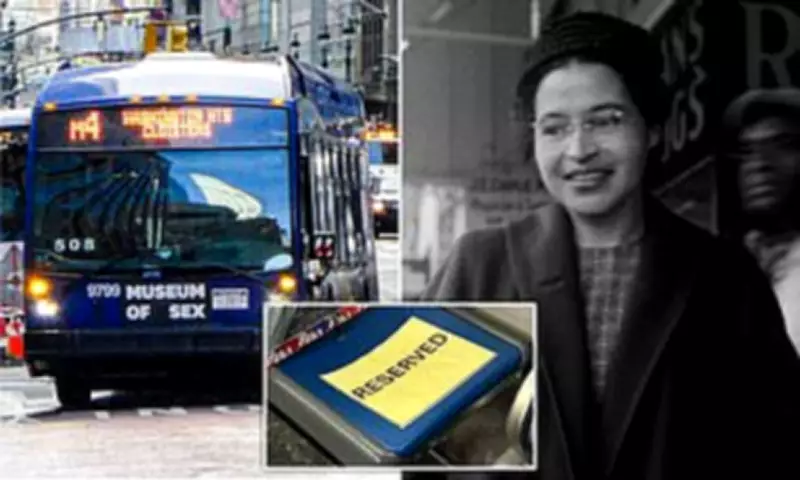
The Metropolitan Transit Authority (MTA) in New York City has ignited a heated public debate after reserving a bus seat to honor civil rights icon Rosa Parks during Black History Month. The authority marked a seat on one of the city's busy buses with a yellow 'RESERVED' sign and placed a large cardboard portrait of Parks on it, commemorating both Transit Equity Day and Parks' birthday on February 4.
Historical Context and MTA's Gesture
Rosa Parks famously refused to give up her bus seat to a white woman in segregated Montgomery, Alabama, in December 1955. Her arrest sparked a 381-day bus boycott, a pivotal moment in the Civil Rights Movement. The MTA stated, 'Each and every day, we’re committed to providing accessible and equitable transit for all,' framing the tribute as part of this commitment. Transit Equity Day was federally recognized in 2021 by then-Transportation Secretary Pete Buttigieg, and similar displays honoring Parks have occurred in cities like Washington DC, Los Angeles, and Portland since at least 2005.
Public Backlash and Criticism
However, the gesture did not resonate with many New Yorkers, who voiced their displeasure on social media. Over 4,000 people responded to an MTA Instagram post, with comments ranging from sarcasm to outright anger. One user remarked, '[Not going to lie] we love Rosa but this is crazy,' while another called it 'like a parody skit.' Critics highlighted practical concerns, such as the recent fare increases—standard bus fares rose from $2.90 to $3.00, and express bus fares from $7.00 to $7.25—with one person suggesting, 'How about you lower the fare to commemorate her legacy?'

Others pointed out the irony of reserving a seat on often overcrowded buses, where space is at a premium. Sar, an 18-year-old from the Bronx, noted, 'The buses are unbelievably packed and people want to sit down... it’s taking away a seat that a disabled person or a pregnant woman or someone who had a long day at work could have used.' Some even criticized the cleanliness of the bus, referencing visible snow salt and dirt on the floor.
Support and Alternative Perspectives
Despite the backlash, some applauded the MTA's efforts, sharing emojis of clapping hands and hearts to show support. One defender argued, 'Oh my god bruh it’s one seat like goddamn, it’s never that big of a deal. They could put a pillar there, and y'all wouldn’t complain this much.' Additionally, skeptics suggested honoring other civil rights figures, such as Claudette Colvin, who refused to give up her seat nine months before Parks and recently passed away at age 86.
Broader Implications and MTA's Response
The controversy underscores ongoing tensions between symbolic gestures and practical transit needs in urban areas. While the MTA aimed to celebrate Parks' legacy, the public reaction highlights concerns over affordability, accessibility, and the effectiveness of such tributes. The Daily Mail has contacted the MTA for further comment, but as of now, the authority has not issued a formal response to the criticism. This incident serves as a reminder of the complex interplay between historical commemoration and everyday realities in public transportation systems.