Middle East Airspace Shutdown Strands Thousands as Governments Mount Evacuations
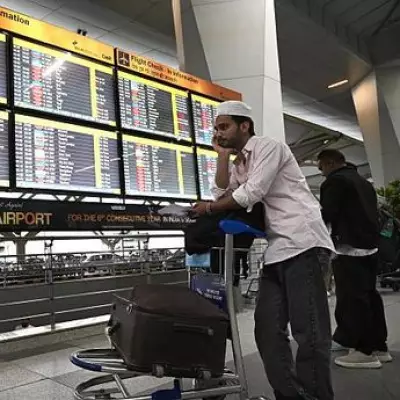
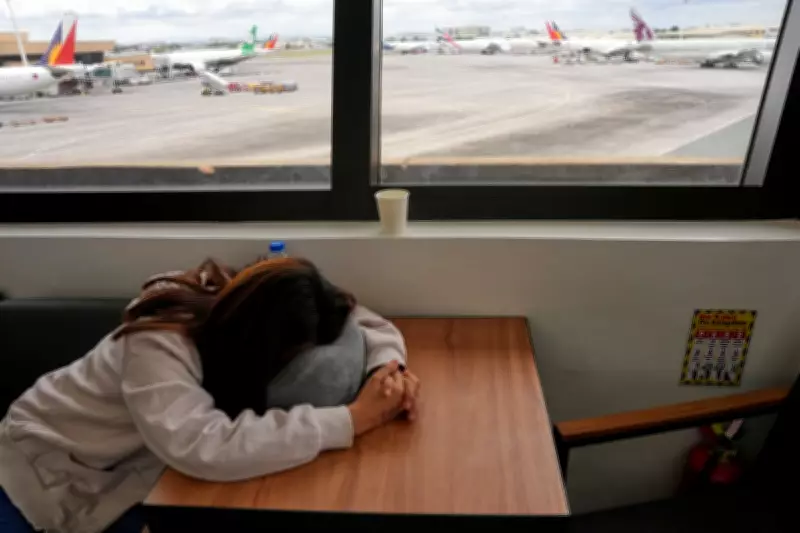
Governments across the globe are engaged in a frantic scramble to repatriate their citizens after coordinated military strikes by the United States and Israel on Iran triggered a widespread shutdown of critical Middle Eastern airspace. The sudden closure of major international hubs has left tens of thousands of tourists and business travelers unexpectedly stranded in hotels, airports, and aboard cruise ships, with no clear timeline for the resumption of normal flight operations.
Key Airports Paralyzed, Travel Chaos Ensues
The airspace closures directly impacted some of the world's busiest aviation hubs, including Dubai International Airport, Abu Dhabi International Airport, and Doha's Hamad International Airport. These airports serve as vital connectors for travel between Europe, Africa, the West, and Asia. All three facilities were reported to have been directly affected by the military actions, leading to their immediate suspension of services.
Major airlines swiftly followed suit with widespread cancellations. Qatar Airways confirmed its flights remain suspended, with updates expected. Air France canceled services to and from Tel Aviv, Beirut, Dubai, and Riyadh. Carriers including Air India and KLM also suspended flights and issued urgent travel advisories. The ripple effect was immediate and severe, stranding passengers globally.

Government Responses and Evacuation Efforts
With commercial air travel halted, national governments are exploring alternative evacuation methods. The Czech Republic has launched one of the most direct responses, dispatching six aircraft to evacuate its citizens. Two planes are en route to Egypt and Jordan, with one tasked with collecting 79 Czech nationals from Sharm El Sheikh who are traveling by bus from Israel. The other will evacuate citizens from Amman, Jordan. Prime Minister Andrej Babiš confirmed an additional four planes are heading to Muscat and Salalah in Oman to retrieve Czech tourists, noting there are approximately 6,700 Czech citizens in the region requiring assistance.
Other governments have issued stark warnings for their stranded nationals. Germany, with an estimated 30,000 tourists affected, advised citizens to shelter in place. German Foreign Minister Johann Wadephul stated a military evacuation is currently impossible due to the closed airspace and that the government is assessing other options. The German Travel Association urgently recommended tourists "remain at their booked hotels" and avoid attempting independent travel to airports or neighboring countries.
Global Strandings and Economic Fallout
The crisis has a truly global footprint. In Asia, thousands of travelers were left stranded on Indonesia's tourist island of Bali after international flights were canceled. Bali's Ngurah Rai International Airport reported at least 15 flights to and from Dubai, Doha, and Abu Dhabi were canceled, affecting 3,197 departing passengers according to airport spokesperson Gede Eka Sandi Asmadi.
The financial markets reacted sharply to the transportation chaos. In early trading, shares of major US airlines like United, Delta, and American all slid between 5% and 6%. Global hotel chains and cruise lines also tumbled, with Carnival Corporation experiencing particularly heavy losses. The event underscores how geopolitical instability can rapidly upend the global travel and tourism sector, causing immediate economic distress.
As the situation remains fluid, governments continue to coordinate with local authorities and travel agencies, urging patience and compliance from stranded citizens while they work on complex logistical solutions to bring them home safely.