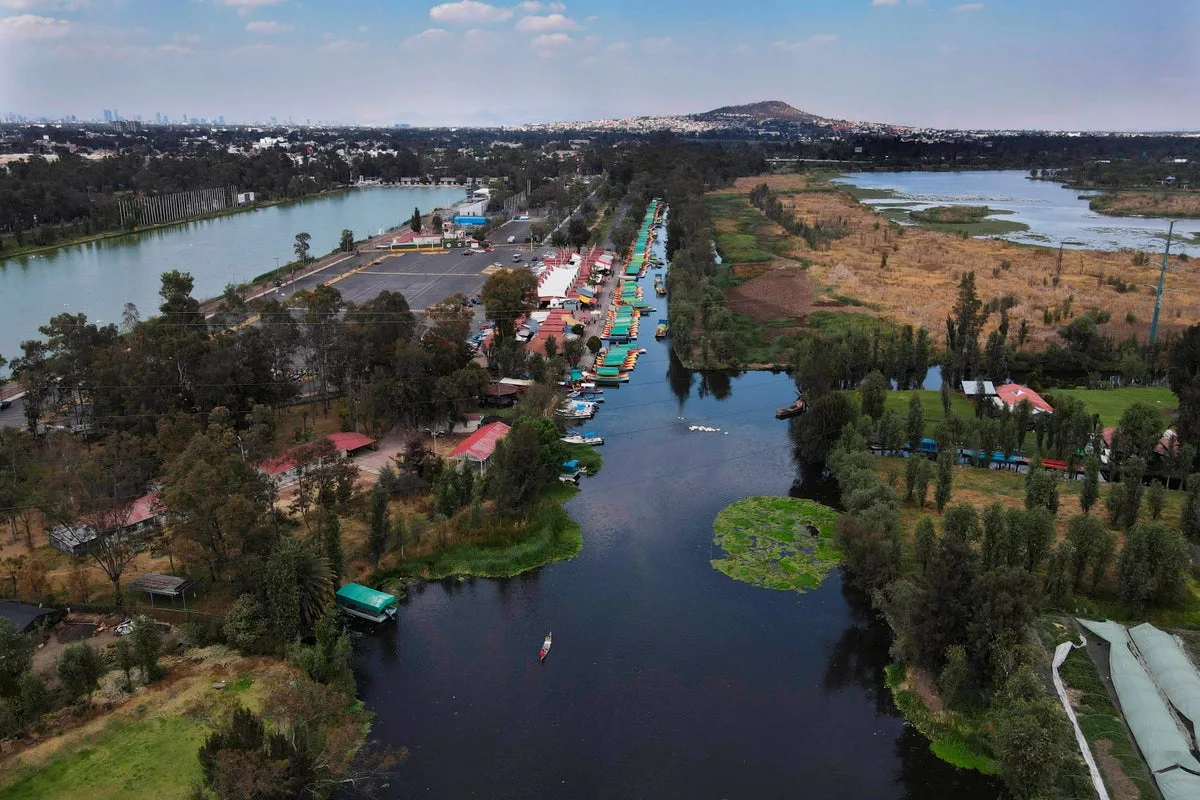
Mexico City is sinking by nearly 25 centimetres (10 inches) annually, according to new satellite imagery from NASA. The subsidence, among the fastest of any major city worldwide, is caused by groundwater pumping and urban development on the ancient lake bed where the city was built.
The NASA estimates, based on measurements from the NISAR satellite between October 2025 and January 2026, show an average rate of 2 centimetres per month in some areas, including the main airport and the Angel of Independence monument. Over the past century, parts of the city have dropped more than 12 metres.
Enrique Cabral, a geophysics researcher at the National Autonomous University of Mexico, said the sinking damages critical infrastructure such as the subway, drainage and water systems, housing and streets. He described it as “a very big problem.”
NISAR, a joint NASA-Indian Space Research Organisation satellite, tracks real-time surface changes. Scientist Paul Rosen said the technology documents the full magnitude of the problem and could eventually provide building-by-building measurements. Researchers hope to apply it globally to monitor natural disasters, fault lines and climate change effects.
Cabral noted that the Mexican government has largely ignored the issue for decades, only stabilising foundations under historic monuments like the Metropolitan Cathedral. However, recent water crises have prompted increased research funding. He said understanding the problem is the first step toward long-term mitigation.