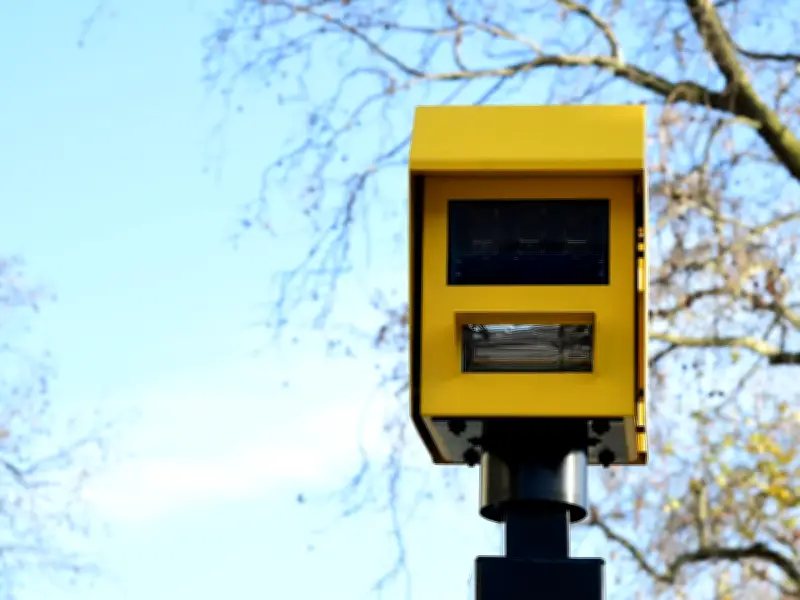
A motorist was clocked driving at 160mph on the M6 in Cheshire last year, according to a new report published by the RAC. The findings, derived from a Freedom of Information (FOI) request to UK police forces, reveal the terrifying speeds some drivers are prepared to reach, putting everyone at risk.
Excessive Speeds on Low-Limit Roads
The data shows that seven in 10 police forces caught drivers travelling at twice the speed limit or more on 30mph roads last year. One example was a driver logged at 48mph on a 20mph road in Alderley Edge at 3pm on a weekday, during school pick-up time. On 30mph roads, a speeder was clocked at 80mph near schools in Culcheth, Cheshire, at around 3pm, and another at 79mph just after 4pm on a road in Barrow-in-Furness, Cumbria.
In total, across 33 areas, 271,341 drivers were caught driving at 40mph or more on 30mph roads – speeds at least 33% higher than the limit. Across 28 forces, 32,548 drivers were caught at 30mph or more on 20mph roads. One driver was caught at 89mph on a 20mph stretch of the B5129 in Deeside, North Wales.
Impact of Speeding on Fatal Collisions
Previous RAC research found that speed was a factor in 58% of fatal collisions, with drivers or riders exceeding the speed limit behind 20% of all such collisions. In 2024, 185 people lost their lives where breaking the speed limit played a role. Four in five drivers said they regularly see people driving at excessive speeds on 20mph and 30mph roads, while 55% believe there is a 'culture of speeding' in the UK.
Support for New Measures
Separate research last autumn found that 86% of drivers polled support new measures to combat excessive speeding, with 55% strongly supporting action. The publication of the Road Safety Strategy in January – the first review in over a decade – included a commitment to reduce the number of people killed and seriously injured on roads by 65% by 2035, and acknowledged that excessive speeding should not go unchallenged.
RAC Calls for Focus on High-Risk Drivers
The RAC believes clear focus must be placed on tackling drivers that represent the biggest risk, including those prepared to drive at high speeds on low-limit roads and habitual reoffenders. RAC senior policy officer Rod Dennis said: 'Our analysis shows some of the frankly chilling speeds some people are prepared to drive at – and these are just the cases the police are aware of. The fact that some were recorded in residential areas, even near schools, in daytime hours when others might well have been using the roads, underlines just how dangerous this kind of behaviour is. Such roads will almost certainly be well used by pedestrians and cyclists, so it doesn’t bear thinking about what travelling at such high speeds could have led to.'
He added: 'There is a lot of work to be done. Despite drivers and riders exceeding speed limits being a factor in an increasing number of fatal road collisions, it’s clear that some people remain oblivious to the incredibly severe risk that driving too fast poses.'
Police Response
National Police Chiefs’ Council lead for roads policing Chief Constable Jo Shiner said: 'The fact that a majority of drivers now believe there is a culture where speeding is acceptable reflects a deeply embedded issue in driver behaviour. We must reset expectations and make it clear that safe, lawful driving is a shared responsibility.'