Rail operator LNER has announced the introduction of brand new trains on the East Coast Main Line, marking a significant upgrade to replace carriages that are nearly four decades old. The new fleet, consisting of 10 intercity trains, will operate on the London King’s Cross to Edinburgh route, incorporating customer-suggested features to enhance the travel experience.
Innovative Features and Design
The Class 897 trains are the first to be introduced under the Great British Railways (GBR) initiative, which aims to nationalise the rail network, replacing the current model dominated by private firms. These trains will display GBR branding both inside and out, symbolising a shift towards public ownership.
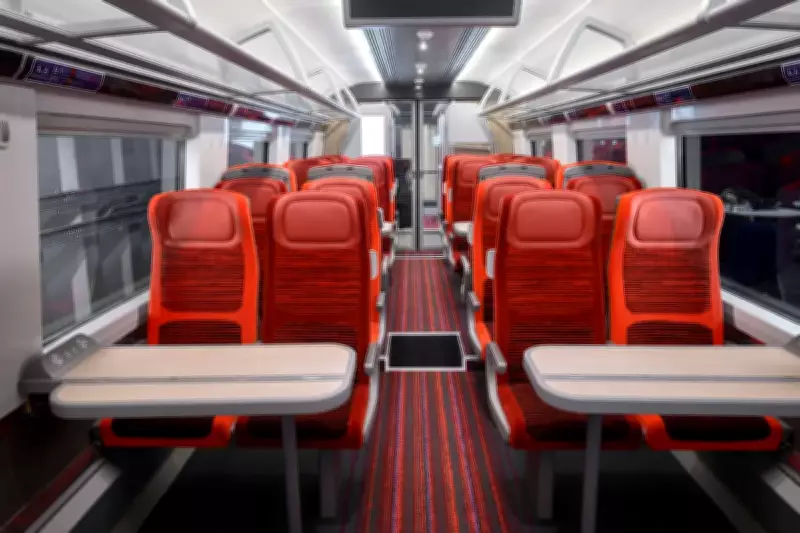
Key improvements include increased accessibility, with redesigned tables and seat legs to accommodate wheelchair users and assistance dogs more comfortably. Additional luggage racks and braille seat numbers further support passengers with disabilities.

Comfort and Convenience Onboard
Passengers can look forward to a more comfortable journey with seats featuring side bolsters and wider head cushions. In first class, reclining seats and mood lighting will enhance early or late travel. Every seat is equipped with plug sockets and USB-C ports, similar to the existing LNER Azuma trains.
Other notable features include digital screens in each carriage for live journey updates and five water bottle refill stations throughout the train. Customer feedback has led to improved bike storage areas with easy-to-use straps, catering to cyclists.
Sustainable and Efficient Travel
The fleet is pioneering as the UK's first 'tri-mode' long-distance trains, capable of running on overhead electric power, diesel engines, and batteries. This flexibility allows operation across the entire 1,000-mile route, with battery power reducing diesel use near stations without electric infrastructure, making travel more environmentally friendly.
Dr Linda Wain, engineering director at LNER, described the fleet as an 'exciting milestone,' emphasising its role in providing comfortable, reliable, and greener journeys for decades to come. She highlighted that these trains will help meet growing demand for train travel while offering a modern experience.
This development is part of broader efforts to transfer rail operators to public ownership, reflecting ongoing changes in the UK's rail sector under the Great British Railways framework.