Mounting Pressure for Independent Inquiry into Air India Disaster
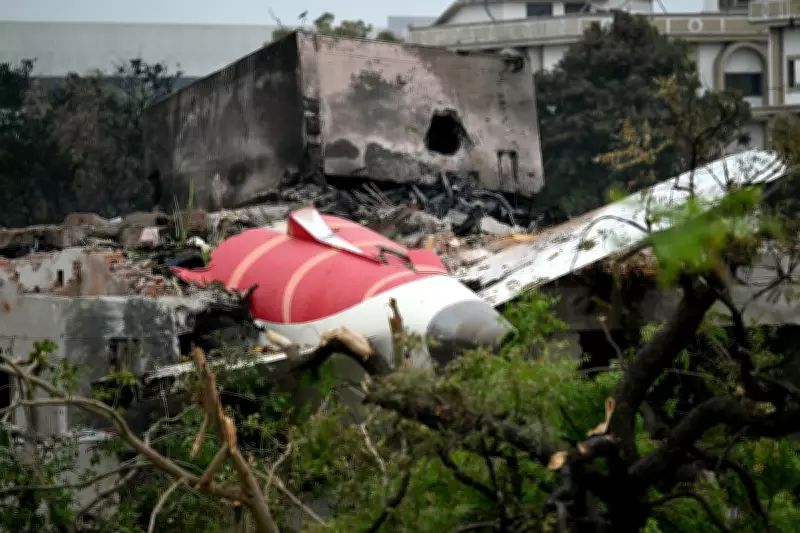
More than eight months after a catastrophic aviation incident, there are escalating calls for an independent investigation into the Air India crash that claimed 260 lives. The disaster occurred on a June afternoon in Ahmedabad, western India, when a Boeing 787-8 Dreamliner plummeted from the sky, crashing into a busy medical college. All but one of the 241 passengers and crew on the London-bound flight perished, along with 19 medical students and others on the ground.
Investigation Focus and Controversial Findings
According to international regulations, crash investigators must deliver a final report within one year of the incident. However, sources indicate that investigators have yet to determine a definitive cause, though they are leaning toward either human error or deliberate action by the pilots rather than mechanical failure. This direction persists despite numerous lawsuits filed against Boeing and Air India by grieving families in UK and US courts, alleging the aircraft was fundamentally flawed from its entry into service in India.
A preliminary report released one month after the 12 June crash has sparked allegations of attempting to shift blame onto the pilots. The document detailed that three seconds after takeoff, both fuel control switches simultaneously moved to "cutoff," starving the engines. The cockpit voice recorder captured one pilot questioning the other about the fuel cutoff, with the response being a denial. Although the switches returned to "run" after about ten seconds, it was too late to prevent the disaster.

Families and Experts Challenge Official Narrative
The 15-page preliminary report assigned no blame and identified no cause, yet it triggered a media trial of pilots Clive Kunder, 32, and captain Sumeet Sabharwal, 56. Coverage included unsubstantiated claims about Sabharwal's mental health, prompting his 91-year-old father to petition India's Supreme Court for an independent investigation. The court responded firmly, stating there was no basis to blame the captain.
"The preliminary report was a total disaster," says Amit Singh, founder of Safety Matters Foundation. "The words have been very cleverly chosen... But there are certain issues which they should have investigated." Singh and other experts point to potential electrical faults, possibly due to water leaks, which might explain flickering lights reported by the sole survivor, Leicester resident Viswashkumar Ramesh.
Aircraft History and Systemic Concerns
The Foundation for Aviation Safety in the US highlighted that the Boeing 787 involved had a record of technical and electrical failures since entering service with Air India in 2014. These included an electrical fire in 2022 that required replacement of core components. Ed Pierson, executive director of the advocacy group, described the Dreamliner as an "electrical monster" due to its complex systems, urging investigators to thoroughly assess cascading failures before attributing responsibility to flight crews.
Records indicate the aircraft experienced three electrical failures and 11 minor component malfunctions in the 48 hours preceding the crash. Maintenance logs noted issues with the right-side stabiliser-trim electric motor control unit, which had been replaced along with wiring and sensors.
Investigation Procedures Under Scrutiny
Concerns have been raised about the investigation process itself. Indian authorities allegedly barred US investigators from photographing wreckage, some of which was moved before examination. Additionally, black boxes recovered on 13 and 16 June reportedly sat in Ahmedabad until 24 June, contrary to standard procedures requiring immediate decoding.
"To us, that tends to indicate there is probably something there that needs to be looked at," says Mike Andrews, an American lawyer representing nearly 130 victim families. "If you already know the answer, why are you still searching for the answer, essentially."

Human Toll and Ongoing Struggles
The human impact of the crash is profound and ongoing. Families describe economic hardships, with primary breadwinners lost and children forced to leave school to work. Anil Ambala Patel, who lost his son and daughter-in-law, struggles with loneliness and accessing their bank accounts in Leicester. Savdhanbhai Chaudhary mourns his son and daughter-in-law, recalling their pride in making it to London.
In Meghani Nagar near the crash site, residents remember the violence of that day. "The plane was flying unusually low. Before I could understand what was happening, there was thick black smoke and a deafening crash," recalls Manubhai Rajput. The area remains off-limits, with charred buildings standing as haunting reminders.
Legal and Financial Repercussions
In London, several families have filed personal injury lawsuits at the High Court, with proceedings issued against Air India but not yet formally served. Air India, jointly owned by Tata Group and Singapore Airlines, is projected to report its largest annual loss ever of Rs 150 billion for the financial year ending March 2026. The airline has paid $28,000 to each victim's family, with Tata Group pledging an additional $112,000, though some families await state government compensation.
As the investigation continues, the next critical date is 12 June 2026, when authorities must provide either a final report or a comprehensive update. Whether this will bring closure to the hundreds of bereaved families remains uncertain, amid growing demands for transparency and an independent inquiry to uncover the truth behind one of aviation's worst disasters.