In the wake of the Las Vegas mass shooting, the deadliest in modern US history, attention has turned to Australia's stringent gun laws, enacted after the 1996 Port Arthur massacre. Former Australian Prime Minister John Howard, who spearheaded the reforms, stated: 'We have an opportunity in this country not to go down the American path.'
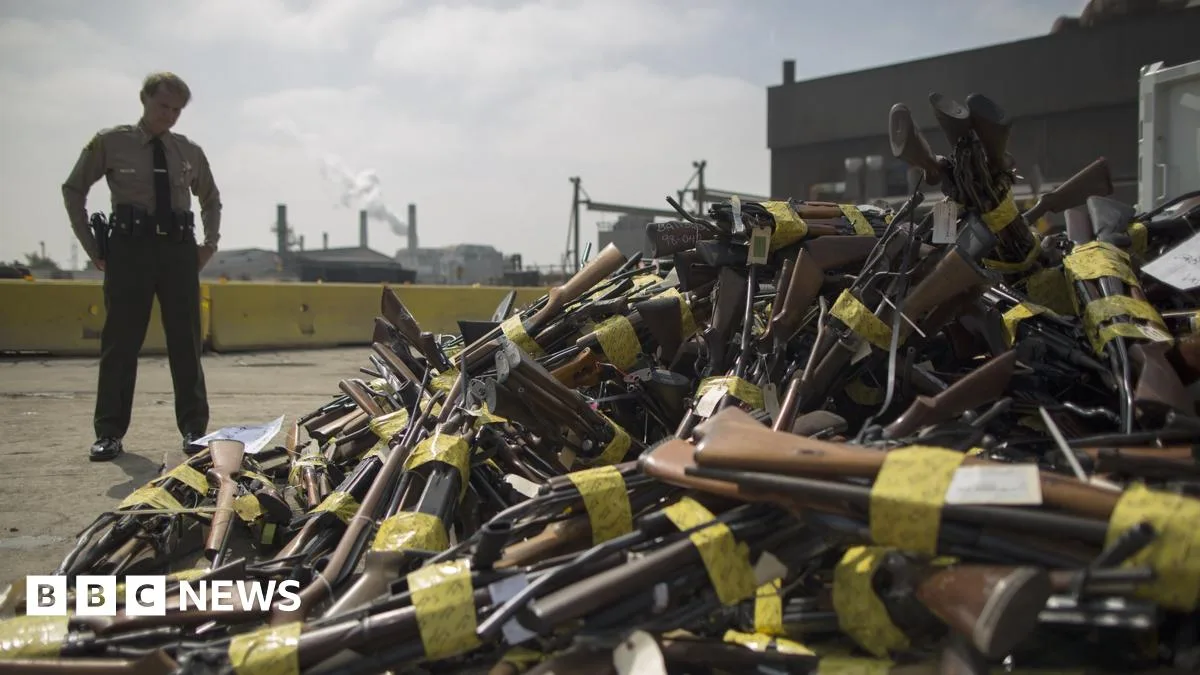
Following the Port Arthur massacre, where 35 people were killed, Australia's federal and state governments agreed within 12 days to ban semi-automatic rifles and shotguns, impose a 28-day waiting period, thorough background checks, and require a 'justifiable reason' for gun ownership—self-protection is not accepted. Over one million weapons were bought back and destroyed, nearly halving gun-owning households.
The results have been significant: mass shootings dropped from 11 in the decade before 1996 to one since. Homicide and suicide rates also fell. In 1996, 69 gun homicides were recorded; by 2012, that number had dropped to 30. However, gun violence has not been eliminated, and nearly 26,000 unregistered guns were handed in during a 2017 amnesty.
Australian gun rights groups argue the laws restrict personal freedom and note that gun violence was already declining before 1996. Diana Melham of the Sporting Shooters Australia Association claims the laws 'rallied the shooters' and increased membership. Despite this, former Deputy Prime Minister Tim Fischer insists: 'Plain and simple, what we've done works.'
Key differences remain: Australia has no equivalent to the US Second Amendment, and its government acted swiftly to pass uniform legislation. Whether such measures could be replicated in the US remains a contentious question.