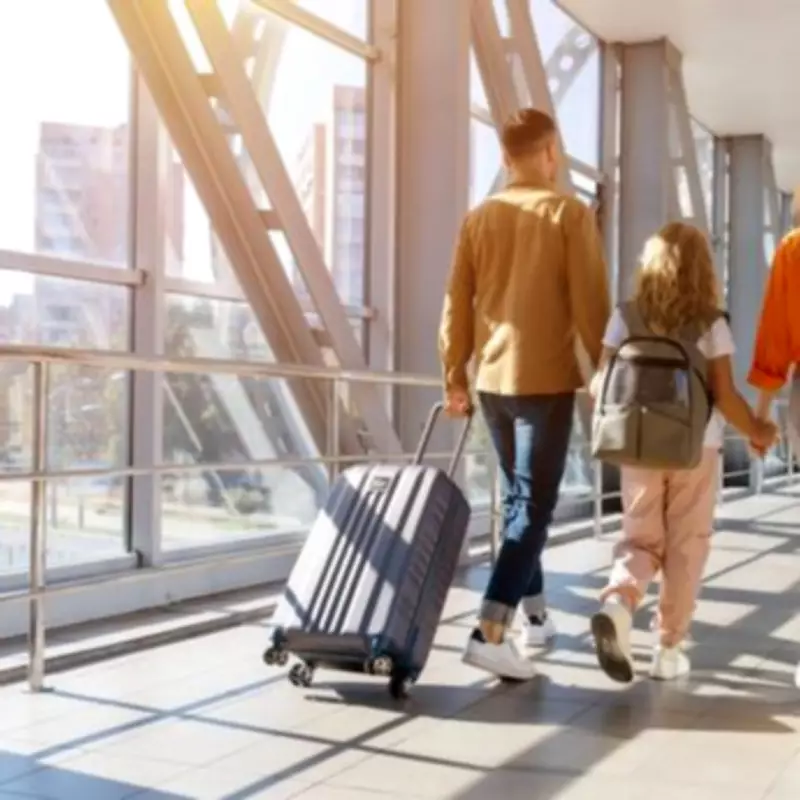
British holidaymakers are being cautioned about potential travel disruption during the upcoming February half-term break, as new data reveals flights are operating at near-maximum capacity with minimal spare seats available. Aviation experts warn that this unprecedented passenger load factor significantly increases the risk of travellers being involuntarily 'bumped' from overbooked flights.
Unprecedented Flight Occupancy Levels
The aviation industry is experiencing remarkable growth, with UK airlines consistently recording passenger load factors between 85-90%, according to recent analysis from Air Advisor. This represents a substantial increase from previous years and creates a challenging environment for both airlines and passengers during peak travel periods.
International Air Transport Association (IATA) statistics published last week revealed that the global passenger load factor reached an all-time high of 83.6% in 2025, marking a significant 5.3% increase. European carriers recorded an average of 84.1%, while UK airlines consistently surpassed these figures, operating at even higher capacity levels.

Half-Term Travel Pressures
Despite February half-term being a shorter holiday window compared to summer breaks, aviation analysts anticipate exceptionally high passenger volumes as families seek winter getaways. The combination of sustained travel demand and reduced airline flexibility creates a perfect storm for potential disruption.
Last summer provided a stark preview of current trends, with UK airports processing over 90 million travellers between July and September alone - the busiest three-month period ever recorded according to Civil Aviation Authority figures. This pattern shows no signs of abating, with ACC Aviation reporting that airlines introduced 3,593 new flight routes during 2024 and 2025 to accommodate growing demand.
Overbooking Complications
Airlines routinely overbook flights to compensate for anticipated no-shows, but current high occupancy rates make this practice particularly risky. When carriers miscalculate passenger turnout or deploy smaller aircraft than originally scheduled, they may find themselves with more confirmed passengers than available seats.
"If a carrier anticipates 10% of passengers won't turn up and overbooks accordingly, but only 5% actually miss their flight, it could end up with more passengers than available seats," explained aviation analysts. This scenario has become increasingly likely as planes operate at near-full capacity throughout peak travel periods.
Passenger Rights and Compensation
The Civil Aviation Authority clarifies that being 'bumped' from a flight, also known as 'denied boarding', can occur voluntarily or involuntarily. Passengers who voluntarily surrender their seats typically receive compensation ranging from £110 to £520, along with either a refund or alternative flight arrangements.
However, travellers should be aware that wait times for replacement flights can vary significantly depending on availability, particularly during busy periods when spare capacity is extremely limited. All affected passengers, whether volunteering or being involuntarily bumped, are entitled to appropriate compensation and alternative travel solutions under aviation regulations.
Practical Advice for Travellers
To minimise disruption risks, travel experts recommend several precautionary measures:
- Check in online as soon as the service opens to secure your boarding position
- Select and pay for specific seats in advance where possible
- Arrive at the boarding gate with ample time to spare
- Consider travel insurance that covers denied boarding scenarios
- Monitor flight status updates regularly before departure
The current travel landscape presents additional challenges beyond overbooking risks. Higher occupancy rates make securing upgrades more difficult, reduce the availability of empty seats for passenger comfort, and can affect last-minute booking opportunities and pricing structures.

With travel demand projected to increase further throughout 2026, industry observers anticipate that more than 83 out of every 100 seats could be occupied on average, maintaining pressure on airline capacity and passenger experience. This sustained growth underscores the importance of careful planning and awareness of passenger rights for all UK holidaymakers.