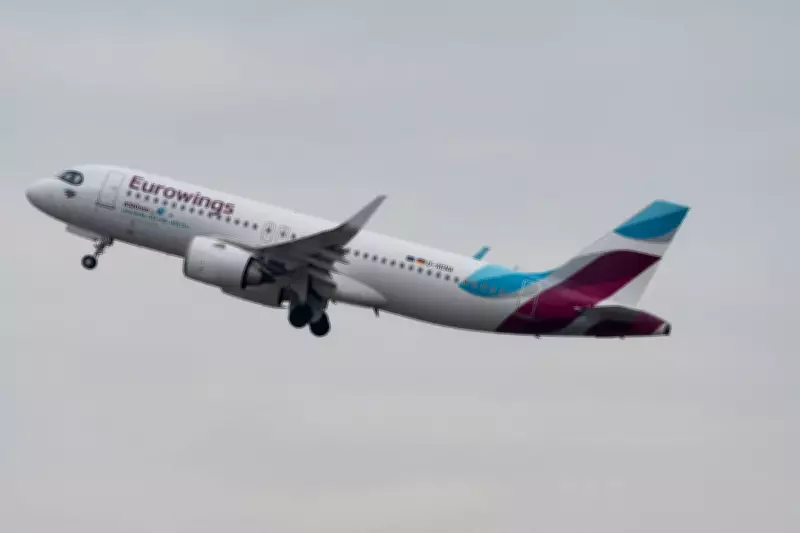
A Eurowings flight bound for Germany from the United Arab Emirates encountered significant overnight disruption last month, forced to make two separate diversions to circumvent Iranian airspace amid escalating geopolitical tensions. The extended journey resulted in an arrival time more than 11 hours later than scheduled, highlighting the operational challenges airlines face in volatile regions.
Extended Itinerary Due to Airspace Restrictions
Flight 1153, operating from Dubai to Stuttgart on 24 January, was compelled to alter its original flight path significantly. This decision came as numerous carriers, including those within the Lufthansa Group, implemented precautionary measures to avoid using Iranian or Iraqi airspace. The move follows public comments from former US President Donald Trump threatening potential intervention in Iran, prompting airlines to reroute flights over alternative corridors such as those above Afghanistan or Saudi Arabia.
Technical and Logistical Hurdles
According to data from flight tracking service FlightAware, the Airbus A320neo aircraft first diverted to Thessaloniki airport in Greece for an unscheduled refuelling stop. This additional leg, lasting just over six hours, was necessary to complete the extended flight distance and counteract stronger headwinds encountered on the alternative route. The refuelling operation pushed the flight's arrival time past the strict landing curfew at Stuttgart airport, which operates under night flight restrictions.

Consequently, the aircraft was diverted a second time, finally touching down at Nuremberg airport at approximately 1:30 am local time. This marked a substantial delay compared to the usual direct flight duration of six to seven hours between Dubai and Stuttgart. Passengers then faced a further 30-minute leg to Stuttgart the following morning, operated by the low-cost German carrier.
Regulatory Warnings and Airline Responses
The European Union Aviation Safety Agency (EASA) issued a Conflict Zone Information Bulletin on 16 January, advising airlines to avoid operating within Iranian airspace at all altitudes and flight levels. The bulletin cited the high level of tensions and the likelihood of Iran maintaining elevated alert levels for its air force and air defence units nationwide. EASA further cautioned that in the event of US intervention, retaliatory actions could introduce additional risks to the airspace of neighbouring countries hosting US military bases.
Eurowings confirmed the disruptions in a statement to The Independent, explaining that some flights from Dubai to Germany required refuelling stops in Thessaloniki due to longer flight distances and adverse headwinds. The airline noted that night flight restrictions at several German destination airports, including Berlin, Dusseldorf, and Stuttgart, resulted in some flights landing at alternative airports such as Nuremberg and Cologne/Bonn.
Broader Aviation Context
This incident reflects a wider trend of international airlines rerouting or rescheduling flights over Iran. The Federal Aviation Administration (FAA) has maintained a ban on US carriers flying through Iranian airspace since early 2020, a restriction officially extended to at least October 2027 in 2024. These persistent advisories and bans underscore the ongoing risks perceived in the region's airspace, affecting flight planning and passenger itineraries across multiple carriers.
The extended journey of Eurowings Flight 1153 serves as a tangible example of how geopolitical instability can directly impact commercial aviation, leading to operational complexities, increased flight times, and significant passenger inconvenience. As tensions persist, airlines continue to navigate these challenges while prioritising safety and regulatory compliance.