Major EU Border Change Threatens Extended Airport Delays for British Travellers
British passport holders are being urged to take immediate action as a significant European border system overhaul threatens to create airport queues lasting several hours. The European Union's Entry/Exit System (EES), which began implementation in October 2025, represents a fundamental shift in how UK citizens enter most European countries.
Biometric Registration Replaces Traditional Passport Stamping
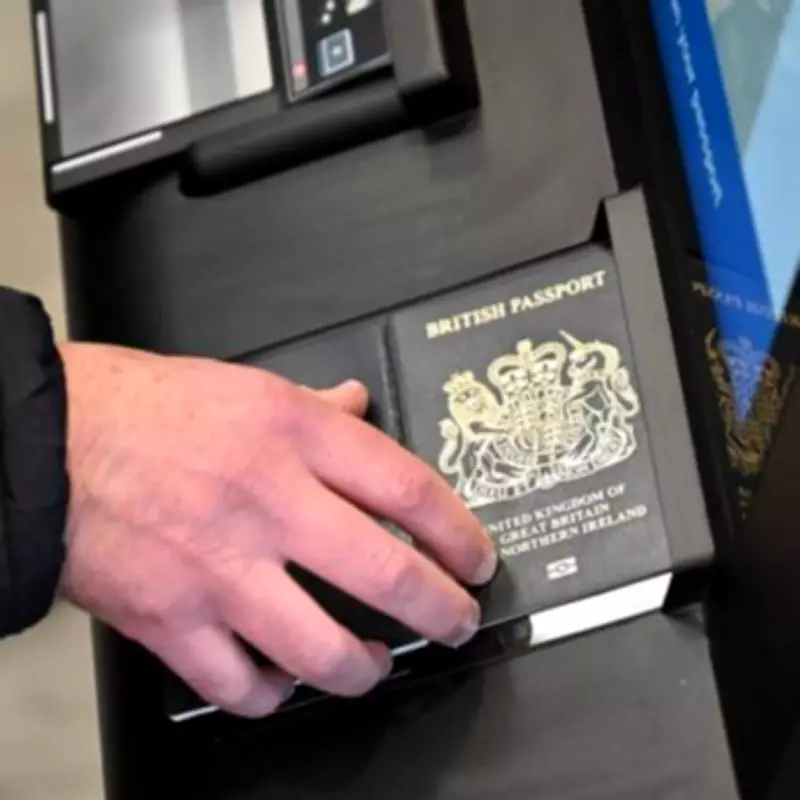
The new digital border system requires non-EU travellers, including British citizens, to register biometric details including facial photographs and fingerprints upon arrival at participating European borders. This mandatory registration will eventually replace the current practice of manually stamping passports for visitors entering the EU.
Travel expert Karen Schaler recently issued a stark warning about the potential consequences of the new system. "If you're a traveller, your passport isn't going to be enough to get you into Europe anymore or the UK," Schaler explained in a detailed video briefing. "You're going to need an EES to get into 29 European countries."

Potential for Multi-Hour Airport Delays
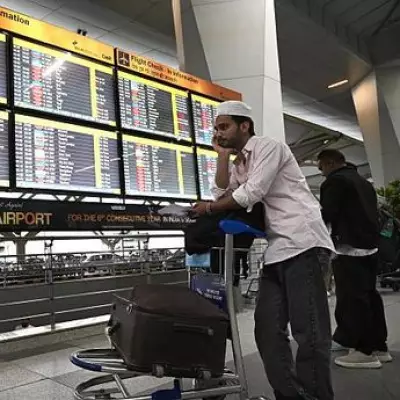
The most concerning aspect of the new system involves the potential for significantly extended waiting times at border control points. Schaler reported hearing about "lines two to four hours long" during the system's implementation phase, urging travellers to "plan accordingly" for their journeys.
While the UK Government's official guidance confirms that "EES may take each passenger a few extra minutes to complete," the cumulative effect of these additional checks could substantially increase overall processing times, particularly during peak travel periods.
Which Countries Are Affected?
The EES applies to the entire Schengen area, which includes 29 European nations: Austria, Belgium, Bulgaria, Croatia, Czechia, Denmark, Estonia, Finland, France, Germany, Greece, Hungary, Iceland, Italy, Latvia, Liechtenstein, Lithuania, Luxembourg, Malta, Netherlands, Norway, Poland, Portugal, Romania, Slovakia, Slovenia, Spain, Sweden and Switzerland.
Notably, the Republic of Ireland and Cyprus remain outside the Schengen zone, meaning EES requirements do not apply when visiting these destinations. The system is being introduced in a phased manner, with full operation expected from April 2026.
Official Guidance and Potential Solutions
According to official Government information, travellers "do not need to take any action before you arrive at the border, and there is no cost for EES registration." However, during the transitional implementation period, border points will continue stamping passports alongside the new biometric registration process.
A potential solution exists in the form of the Travel to Europe mobile application, specifically designed for non-EU visitors subject to EES requirements. This official app allows travellers to pre-register their passport information and facial photograph up to 72 hours before arriving at a European border crossing.
While the application doesn't eliminate border checks entirely, it can help streamline the process and potentially reduce waiting times. Travellers can also complete entry condition questionnaires in advance through the app. However, officials recommend verifying which countries currently accept the app for entry through the official EU EES website.
Schaler highlighted this option as an "insider tip" that could help travellers avoid extended queues, noting that "there is an app that you can use to pre-register to help save that big, long line at the airport."
What Travellers Need to Know
The key points for UK passport holders include:

- Biometric registration (fingerprints and facial photograph) will be required at European borders
- The system applies to 29 European countries within the Schengen area
- Registration occurs at the airport border crossing point
- There is no advance requirement or cost for registration
- Potential delays of two to four hours have been reported during implementation
- The Travel to Europe app offers pre-registration options that may reduce waiting times
- The system will eventually replace passport stamping entirely
This development follows several recent travel advisory updates affecting British travellers, highlighting the importance of staying informed about changing international travel requirements. With summer travel planning underway for many families, understanding these new border procedures could mean the difference between a smooth journey and hours spent in airport queues.