EU Entry-Exit System Confusion Grows as April Deadline Approaches
EU Entry-Exit System Confusion Grows Ahead of Deadline

Mounting Confusion Over EU's Digital Borders Scheme

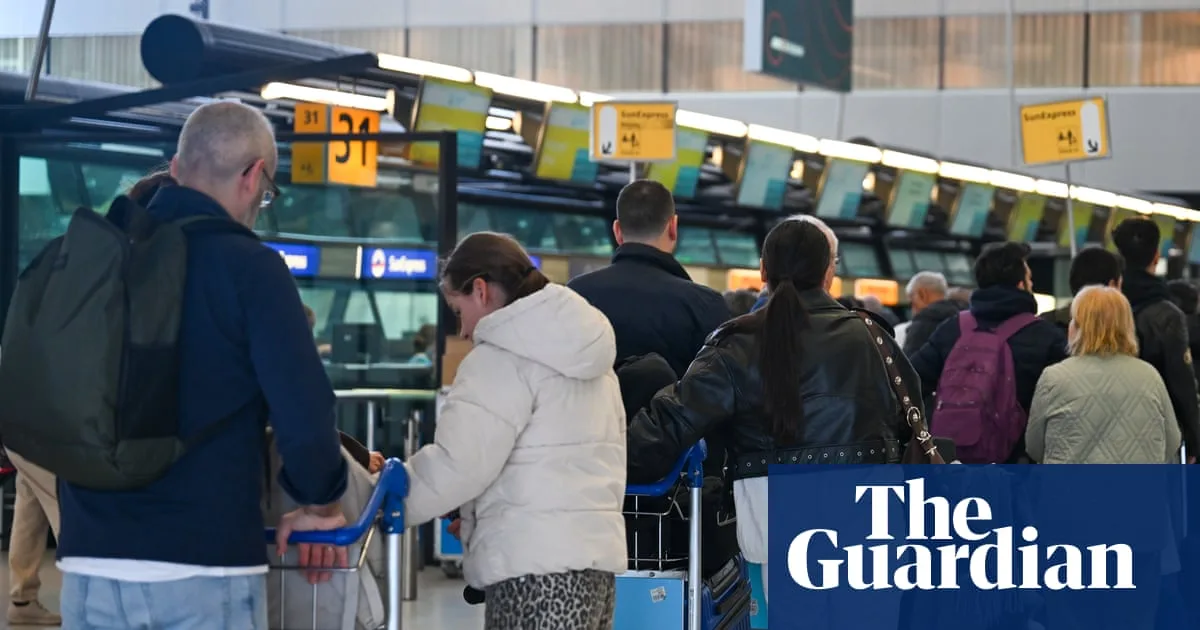
As the European Union's entry-exit system (EES) approaches its scheduled completion date of 9 April 2026, a growing number of British travellers are becoming subject to the digital borders scheme for the Schengen area. This has sparked a surge of questions and concerns from readers, with many expressing confusion about the practical implications of the new system.

Registration Does Not Mean Fast-Track Entry

One common misconception among travellers is that completing biometric registration will grant access to faster entry queues. As travel correspondent Simon Calder explains, "There is a widely held misapprehension that, having gone through biometric registration once, you are qualified to use e-gates in future. Unfortunately, this is far from the case."

The entry-exit system registration is managed by the European Union, while admission procedures for third-country nationals remain the responsibility of individual member states. Even registered travellers must still join the same queues, with the only benefit being a slight reduction in processing time at the kiosk.

Wide Pickt banner — collaborative shopping lists app for Telegram, phone mockup with grocery list

Airport Variations in Implementation

The rollout experience varies significantly across different European airports. Locations with high proportions of EU citizens, such as Luxembourg, Berlin, or Gothenburg, are likely experiencing fewer difficulties. In contrast, holiday airports serving Spain, Portugal, and Greece face greater challenges due to the large numbers of British travellers.

Despite these challenges, Spanish authorities have confirmed their commitment to meeting EU guidelines, stating: "Spain fully intends to meet the EU stipulated guidelines and to have the EES running by 10 April."

Strategic Travel Considerations

Some travellers have considered making special trips to quieter airports to complete initial biometric registration. However, this strategy offers limited benefits. As Calder notes, "Being registered allows you only to shave a few seconds off the time taken for the obligatory re-registration."

The long-term outlook suggests gradual improvement as more travellers become registered, potentially making the overall process more efficient for entire planeloads of passengers.

Technical Limitations and Alternatives

Several practical suggestions have emerged from travellers seeking to streamline the process. These include installing registration machines in UK travel agencies or wider adoption of the smartphone app developed by Frontex, the EU's borders agency. However, these options face significant limitations.

The Frontex app cannot register fingerprints and has seen minimal uptake, while third-country installation of EU border equipment remains unlikely due to jurisdictional and security considerations.

Contrast with EU Citizen Experience

The experience for EU citizens remains unchanged at Schengen borders. They continue to use the fast lanes designated for EU/EEA/CH nationals, while British travellers now join the slower queues for third-country nationals.

This distinction highlights the practical consequences of Brexit, with British passport holders now comprising more than half of the non-EU travellers crossing Schengen borders, effectively more than doubling the length of those queues.

Looking Ahead

As the implementation deadline approaches, travellers should prepare for continued challenges during the initial rollout phase. While technological advancements may eventually streamline the process, the immediate future suggests British travellers will need to allocate additional time for border formalities when visiting Schengen countries.

The evolving situation underscores the importance of staying informed about border procedures and managing expectations regarding processing times at European entry points.

Pickt after-article banner — collaborative shopping lists app with family illustration




