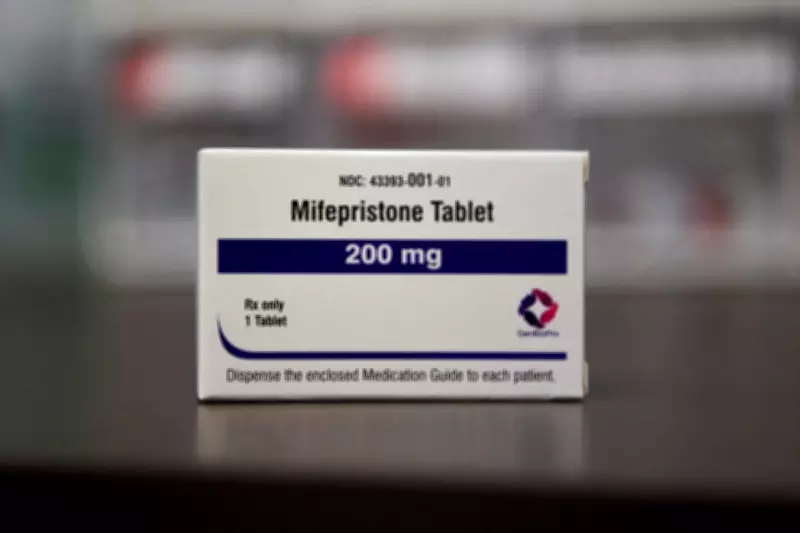
The Supreme Court has ruled to allow mail-order and telehealth access to the abortion pill mifepristone to continue, blocking a lower court decision that sought to impose new restrictions. This decision ensures that millions of patients can still access the widely used medication without being forced to travel to a health center for in-person pickup.
Background of the Legal Battle
The Fifth Circuit Court of Appeals in Louisiana had previously reinstated a requirement for in-person access to mifepristone, a move that was paused twice by the Supreme Court before the current block. Justices Clarence Thomas and Samuel Alito dissented from the Supreme Court's decision, with Thomas referencing the 150-year-old Comstock Act, which anti-abortion activists have invoked in their efforts to restrict access.
Ongoing Legal Challenges
The legal challenge against mifepristone's availability will continue, with advocates warning that ongoing efforts to restrict access pose a significant threat to abortion rights. The Supreme Court's decision is a temporary measure, and the case will proceed through the courts, potentially leading to further rulings on the matter.

This ruling is a critical development in the ongoing debate over abortion access in the United States, highlighting the contentious nature of reproductive rights and the role of the judiciary in shaping healthcare policy.