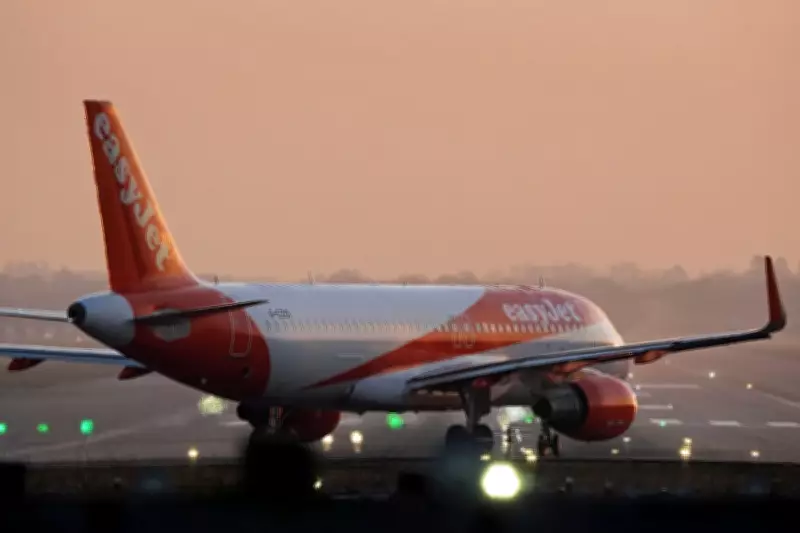
EasyJet has attributed a decline in summer flight bookings to the ongoing conflict in the Middle East, which has created uncertainty among travellers. The airline disclosed that it has sold 58% of its seats for the six-month period ending in September, representing a two-percentage-point decrease compared to the same time last year.
Financial Performance
The group posted a half-year pre-tax loss of £552 million, aligning with the range provided in a trading update issued in April. This compares to a loss of £401 million in the corresponding period last year. The company warned that its financial results through to the end of September will be adversely affected by the war, which has led to increased fuel costs and near-term uncertainty regarding customer demand.
Impact of Fuel Costs
EasyJet noted that the conflict cost the airline approximately £25 million in higher jet fuel prices during March alone. Oil prices, which significantly influence jet fuel costs, surged following Iran's blockade of tankers passing through the Strait of Hormuz. Concerns have arisen that some flights from the UK might be cancelled due to fuel shortages, but EasyJet's chief executive, Kenton Jarvis, assured that the airline is not experiencing any disruption to fuel supply and urged customers to book with confidence.

Booking Trends
Despite the overall drop in advance bookings, short-notice bookings made within the month of departure have increased year-on-year. This suggests that travellers are adopting a more flexible approach to planning their holidays amid the geopolitical tensions.
Mr. Jarvis stated: "Despite conflict in the Middle East creating near-term uncertainty, easyJet is well placed to manage the current environment, supported by one of the strongest investment-grade balance sheets in European aviation."