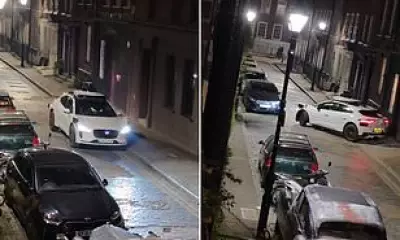
The Driver and Vehicle Standards Agency (DVSA) has issued a crucial reminder to motorists about a fundamental Highway Code regulation that is often overlooked, particularly during periods of poor weather. This alert focuses on Rule 226, which mandates the use of headlights when visibility is seriously reduced, specifically when drivers cannot see for more than 100 metres (328 feet).
Research Reveals Alarming Non-Compliance
Recent research conducted by Aviva has uncovered startling statistics regarding driver adherence to this rule. The study found that one in seven people, equivalent to 14% of drivers, fail to use their headlights in low-visibility conditions. This negligence not only compromises their own ability to see the road ahead but also makes it harder for other road users to spot them, significantly increasing the risk of collisions.
Furthermore, the survey of 1,600 drivers revealed that an additional 10% were completely unaware of the regulations surrounding headlight use when visibility is severely impaired. This knowledge gap highlights a pressing need for greater public awareness and education on road safety protocols.

Expert Insights on the Dangers
Martin Smith, Motor Claims Manager at Aviva, expressed concern over these findings. He emphasised that incorrect light usage and misunderstandings of road rules are particularly worrying, especially as research indicates two-thirds of drivers prefer to drive rather than walk short distances. Smith warned that failing to use headlights appropriately can dazzle other drivers, particularly on wet or snowy roads, and obscure brake lights, further elevating accident risks.
In response, Aviva experts have urged all drivers to refresh their knowledge of the Highway Code, especially before embarking on journeys in darkness or adverse weather. Ensuring that vehicle lights are functioning correctly is also a key step in preventing dangerous incidents on the road.
Comprehensive Fog Driving Guidelines
Beyond Rule 226, the Highway Code provides extensive guidance for driving in fog under Rules 234 to 236. These rules advise drivers to take several precautions to enhance safety:
- Use your lights as required by Rule 226.
- Maintain a safe distance from the vehicle in front, as rear lights can create a false sense of security.
- Ensure you can stop within the distance you can see clearly, especially on high-speed roads like motorways.
- Utilise windscreen wipers and demisters to maintain clear visibility.
- Be vigilant for other drivers who may not be using headlights.
- Avoid accelerating to escape a vehicle following too closely.
- Check mirrors before slowing down and use brakes to alert drivers behind you.
- Stop correctly at junctions with limited visibility, listen for traffic, and emerge positively when safe.
Rule 234 cautions drivers to be prepared for sudden banks of fog even if roads appear clear, while Rule 236 reiterates that fog lights must only be used when visibility is seriously reduced and must be switched off once conditions improve to avoid dazzling others.
This comprehensive advice underscores the importance of proactive and informed driving behaviour to navigate hazardous weather safely. For further details, drivers are encouraged to consult the official Highway Code resources available online.