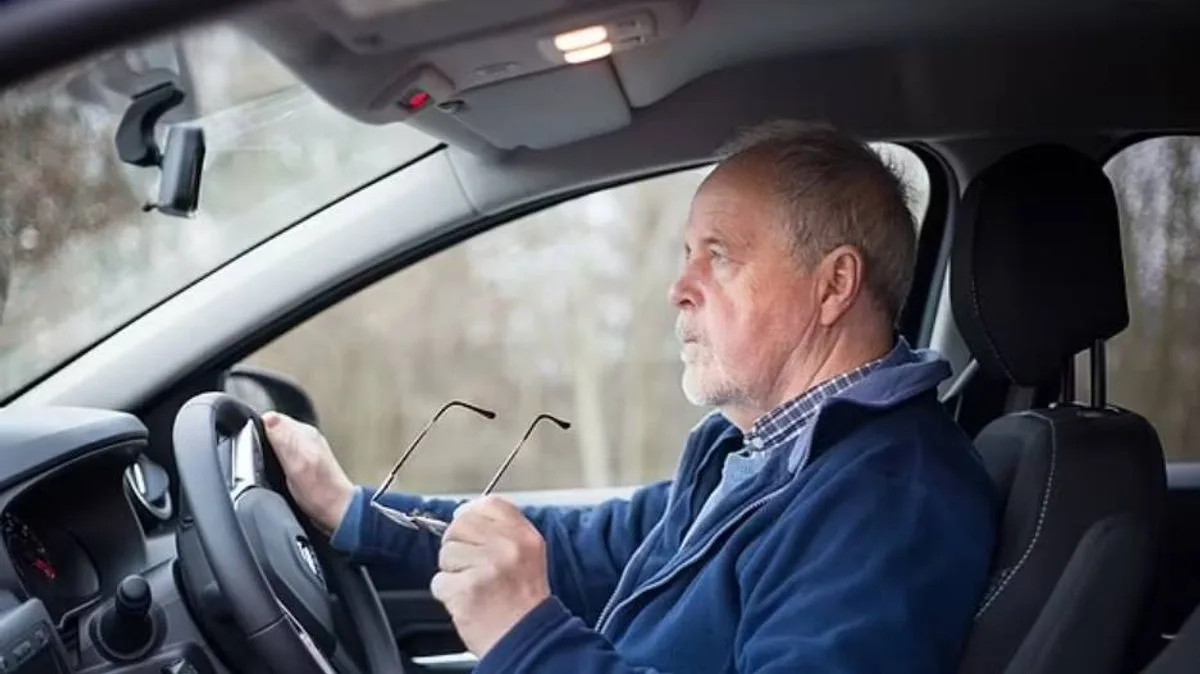
Major Overhaul Proposed for Older Drivers' Licence Requirements
The government is advancing significant changes to driving licence regulations specifically targeting motorists aged 70 and above, as part of a comprehensive new Road Safety Strategy aimed at enhancing safety for all road users.
Mandatory Eyesight Testing for Senior Motorists
One of the most substantial proposals within the strategy involves introducing compulsory eyesight examinations for drivers once they reach the age of 70. The government is currently consulting on this measure, which represents a notable shift from the current self-declaration system. Official documentation states: "The government is consulting on introducing mandatory eyesight testing for drivers over age 70 and will develop options for cognitive testing for older drivers. These measures aim to reduce deaths and injuries involving older drivers, without unnecessarily restricting their mobility and personal freedom."
This initiative acknowledges the dramatic demographic shift on Britain's roads. According to DVLA statistics, the number of driving licences held by individuals over 70 has surged from 3.9 million in 2012 to approximately 6.2 million today—an increase of nearly 60%. With an ageing population, the strategy recognises both the essential independence that driving provides for older citizens and the potential risks associated with age-related declines in vision, cognitive function, and physical frailty.
Potential Cognitive Assessments and Licence Implications
Beyond vision checks, the strategy explores the potential implementation of cognitive testing for older motorists, particularly those with specific medical conditions. Such assessments are designed to ensure drivers remain capable of operating vehicles safely while emphasising the critical importance of disclosing notifiable medical conditions to the DVLA.
Organisations like the Older Drivers Forum have responded cautiously, noting: "No one wants unsafe drivers on the road, and regular vision checks can actually help people continue driving for longer by identifying issues early and enabling timely treatment." Existing services, such as Driving Mobility, already offer cognitive evaluations alongside personalised advice and vehicle adaptation recommendations, providing comprehensive reports to assist both drivers and licensing authorities.
Practical Consequences and Broader Strategy
Under the proposed system, a driving licence would only be revoked if an individual's eyesight fails to meet the legal standard required for safe driving. It's worth noting that people over 60 in England are already entitled to free NHS-funded eyesight tests, which could facilitate this new mandatory requirement. Furthermore, older drivers might face restrictions on certain licence categories, such as those permitting minibus operation.
While there is no statutory age at which driving must cease, current regulations require drivers over 70 to renew their licence every three years. The strategy reinforces that individuals should inform the DVLA and surrender their licence if they choose to stop driving or if medically advised to do so.
Government Commitment and Additional Measures
Secretary of State for Transport, Heidi Alexander, articulated the government's determination in the strategy's foreword: "Bereaved families don't need sympathy, they deserve action. This strategy, the first in over a decade, shows a government that's not just listening, but leading. Our vision is clear: to ensure that people can travel safely on our roads however they choose."
The Road Safety Strategy extends beyond older drivers, incorporating several other significant proposals. These include stricter drink-drive limits, a mandated three to six-month learning period for new drivers before taking their practical test, and the introduction of a National Work-Related Road Safety Charter for businesses whose employees drive as part of their duties.
This comprehensive approach aims to create a safer environment for all road users through coordinated action between government, local authorities, safety groups, emergency services, and the public.






