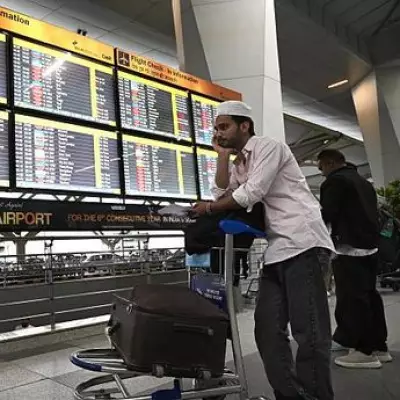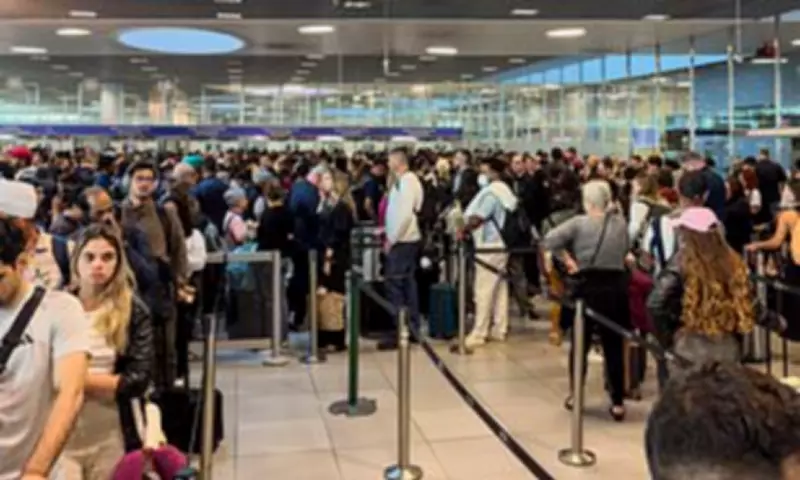
The aviation industry has issued an urgent plea to the European Union to reassess the implementation of its new biometric border control system, cautioning that it risks creating extensive queues and significant disruptions during the upcoming Easter holiday period. Major industry bodies, including the International Air Transport Association (IATA), ACI Europe, and Airlines for Europe, have collectively voiced concerns over the phased rollout of the Entry/Exit System (EES), which they report is already leading to 'significant delays' at airports across the Schengen Area.
Warnings of Summer Gridlock
In a joint letter addressed to the European Commissioner for Internal Affairs, these organisations highlighted that if the system is fully activated, travellers could face wait times stretching to four hours or more during the peak summer months of July and August. The automated IT framework, which mandates the collection of fingerprints and photographs from non-EU nationals entering the Schengen zone, was initially launched in October 2025. Airports and ports were originally given until April 2026 to achieve full compliance with the technology.
Flexible Timelines and Persistent Problems
Earlier this month, the EU decided to grant a more flexible implementation timeline to the 29 participating countries, extending the deadline until early September. Despite this adjustment and the fact that only 35 per cent of non-EU travellers are currently required to register their biometric data, aviation authorities insist that operational challenges remain severe. They pinpoint three critical factors contributing to the delays: ongoing technological malfunctions, 'chronic understaffing' at border control points, and a 'very limited uptake' of the Frontex pre-registration application by Schengen member states.

The industry groups have called on the European Commission to permit nations to temporarily suspend the EES until the end of October, citing a stark 'disconnect' between Brussels' assertion that the system is functioning smoothly and the actual experiences of passengers encountering prolonged hold-ups. According to Travel Weekly, there were indications that the rollout completion date might be postponed further, but a Commission spokesperson has clarified that no additional extensions will be granted. However, member states retain the option to halt the system for up to 90 days, with a potential 60-day extension, to manage the anticipated summer surge in travel.
Evidence of Existing Disruptions
ACI Europe has reported that airport processing times increased by 70 per cent in December 2025, even when merely 10 per cent of non-EU travellers were subjected to biometric checks. This spike was attributed to frequent system outages and insufficient staffing levels. Instances of operational failures have already been documented; for example, Lisbon Airport temporarily suspended the EES over the Christmas period, while in France, electronic gates remain incapable of processing UK passports.
The UK Foreign Office has advised travellers to anticipate additional minutes per passenger at border controls and to prepare for longer waiting times, noting that the system is being introduced in stages, with full operation expected from 10 April 2026. These latest warnings of potential travel chaos during the Easter holidays follow earlier incidents where the Entry/Exit System caused passport gates to crash at major tourist destinations.
Past Incidents Highlight Vulnerabilities
In late 2025 and early 2026, the passport gates at Gran Canaria Airport experienced failures, delaying flights on 30 December 2025 and 10 January 2026. A Daily Mail correspondent travelling through the airport at the time described the scene: 'The European entry/exit system caused all the passport gates to crash on my way into Gran Canaria AND on the way out. It delayed my flight back as obviously none of the Brits could board the plane. Security guards had to be deployed to stamp passports manually after the system repeatedly shut down.'

The witness added that the machines abruptly turned red, frustrating many passengers and leading to expletives. 'There are queues anyway because it’s quite tricky for a lot of people to master the finger printing. But when it all went red a second time, they just had to send us to security and abandon the finger printing altogether,' they explained. All 29 Schengen countries are mandated to have the EES fully operational by the week of Easter Monday, intensifying concerns about readiness and the potential for widespread disruptions during one of the busiest travel periods of the year.