
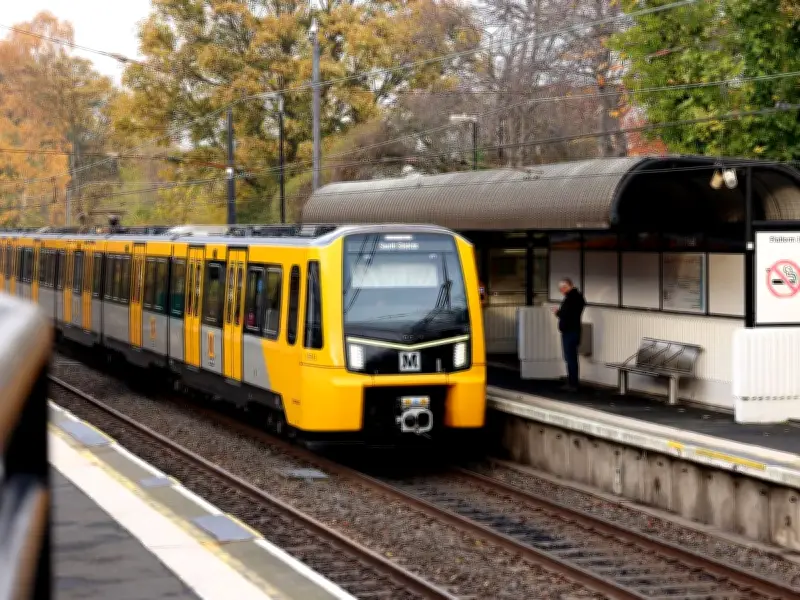
All 46 new trains in the Tyne and Wear Metro's £362 million fleet are now available for service, with transport chiefs reporting a significant improvement in punctuality as they work towards the mayor's "world class" ambition.
Metro operator Nexus confirmed on Wednesday that every new train ordered from Swiss manufacturer Stadler can now be put into the daily timetable. The final old carriages were retired this summer, marking the end of a fleet that had been in service for more than four decades and had become increasingly prone to breakdowns.
Punctuality on the up
Latest figures show that 89.2% of trains have arrived on time so far in 2026/27, continuing a steady improvement from 75.9% in 2023/24, 79.4% in 2024/25, and 83.7% in 2025/26.
The rollout has not been without challenges, with the new trains' first journey delayed by more than a year and subsequent issues with air conditioning and suspension systems. However, the fleet's full deployment was completed two months ahead of schedule, according to Nexus managing director Cathy Massarella.
Mayor's demands and next steps
North East mayor Kim McGuinness has called for the Metro to become a "world class" transport system by 2028 and has urged more action to reduce failures linked to the signalling system and power lines. She has also ordered that train frequency be increased to at least one every 10 minutes from December.
McGuinness said: "I said I wanted Metro to once again be the world class public transport North East people deserve, and passengers can now see we are delivering on that commitment. Metro's overall performance is much better than when I became Mayor two years' ago, and the Mayor's Fares mean we've capped the price of travel this year at £2.50, saving money on millions of journeys."
She added: "From here we will be increasing the number of trains calling at every station, upgrading Regent Centre and pushing on with building the line to Washington. We need to see less of those faults with signals and power lines and we are investing record amounts so Nexus can tackle problems like that."
Testing and training behind the rollout
The rollout involved 90,000 individual tests, 37,000km of test running, and training for 480 staff to operate the modern trains.
Massarella noted that a recent dip in performance, with punctuality down to 84% in the latest four-week period, was due to cable theft and "autumnal conditions" rather than the new fleet. She said: "As well as having the final new train handed over we will continue our ongoing investment in the renewal of Metro's infrastructure, including tracks and overhead lines to build resilience in the system for the future. The next big step is to completely replace the signalling system. Replacing this technology will help us to improve reliability, and enable future expansion of the Metro system."
Lucius Gerig, executive vice president of Stadler's Switzerland division, said: "I'm incredibly proud that we have delivered all 46 trains ahead of schedule, and grateful to everyone who made it possible. This achievement reflects the excellent collaboration between Nexus and Stadler. These fantastic trains will serve the people of Tyne and Wear for many years to come."




