Global Aviation Industry Faces Severe Turbulence as Jet Fuel Prices Skyrocket
The global aviation sector is experiencing significant disruption following a dramatic surge in jet fuel prices, driven by the escalating conflict between the US-Israel alliance and Iran. Costs have soared from approximately $85-$90 per barrel to an alarming $150-$200 per barrel in recent weeks, representing a substantial financial blow for carriers where fuel can account for up to a quarter of operating expenses.
Airlines Forced to Implement Drastic Measures
In response to this crisis, airlines worldwide are being compelled to raise fares, cancel flights, and revise financial forecasts. Lufthansa Group has announced the cancellation of 20,000 flights over the next six months to conserve 40,000 metric tonnes of jet fuel, while permanently removing 27 aircraft from its Lufthansa CityLine subsidiary. This move reduces the group's capacity by one percent in available seat kilometres this summer.
European Commission Proposes Emergency Measures
The European Commission has proposed a series of measures under the 'AccelerateEU' package to address the impact on regional energy markets. These include optimising jet fuel distribution between EU countries to prevent shortages. European airlines have warned of impending jet fuel shortages within weeks, with approximately 75% of Europe's supply originating from the Middle East and facing disruption through the Strait of Hormuz.
Global Airline Responses to the Crisis
Air France-KLM plans to increase long-haul ticket prices by 50 euros per round trip, with KLM cancelling 160 European flights in the coming month. Air Canada will trim four of its 38 daily flights to New York from June to October 2026. Delta Air Lines is cutting capacity by 3.5 percentage points and raising checked baggage fees by $10 for first and second bags, plus $50 for the third bag.
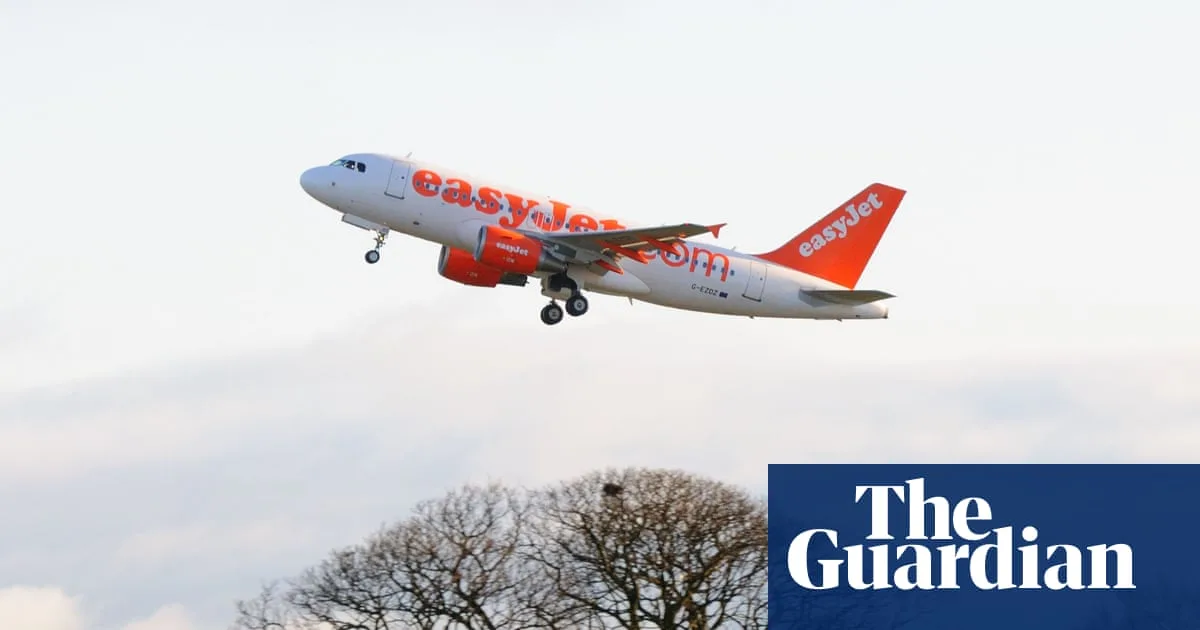
EasyJet warns of a bigger half-year pre-tax loss of £540m-£560m, including £25m in extra fuel costs in March, with CEO Kenton Jarvis stating European consumers should expect higher ticket prices towards summer's end. American Airlines expects a $400m increase in first-quarter expenses due to fuel prices, hiking checked baggage fees by $10 for first and second bags and $150 for the third bag.
Regional Airlines Grapple with Financial Strain
In Nigeria, airlines temporarily suspended a planned nationwide shutdown after government intervention, though they warned operations were becoming unsustainable. Airline Operators of Nigeria had threatened to halt services from April 20 unless fuel prices were reduced. Air New Zealand has slashed flights through May and June while hiking fares, suspending its full-year earnings forecast due to market volatility.
Asian carriers are also affected: Cathay Pacific is cutting about 2% of scheduled passenger flights, with budget airline HK Express reducing around 6%. Korean Air will enter emergency management mode from April, implementing phased response measures based on oil price levels. Qantas Airways has delayed a planned A$150m buyback and raised its estimated fuel bill for the second half of 2026 to A$3.1bn-A$3.3bn.
Low-Cost Carriers Face Particular Pressure
Spirit Airlines has asked the Trump administration for emergency funding to offset rising fuel prices and avoid possible liquidation. JetBlue Airways is increasing fees for optional services like checked baggage, with CEO Joanna Geraghty assuring employees the carrier won't consider bankruptcy this year despite financial pressures. Virgin Atlantic is adding fuel surcharges but still struggles to return to profitability this year.
Industry-Wide Financial Impact and Future Outlook
The Scandinavian airline SAS has cancelled 1,000 flights in April after cancelling hundreds in March, noting that even absorbing costs would still damage the aviation industry. Europe's largest tour operator TUI cut its underlying operating profit forecast and suspended revenue guidance, citing uncertainty from the Iran conflict, with shares falling 2.6% on Wednesday.
United Airlines CEO Scott Kirby said the carrier is cutting unprofitable flights over the next two quarters, preparing for oil prices to remain above $100 until the end of 2027. The airline has raised fares without significantly hurting bookings and increased checked bag fees by $10 for travel in the US, Mexico, Canada, and Latin America.
As the crisis deepens, airlines continue to implement surcharges, with SunExpress imposing a temporary 10 euro per passenger charge on Turkey-Europe routes from May 1, and Volotea introducing a pricing policy that could add post-purchase surcharges up to 14 euros per passenger per flight. The global aviation industry faces a challenging summer ahead, with passengers bearing the brunt of increased costs and reduced service availability.






