
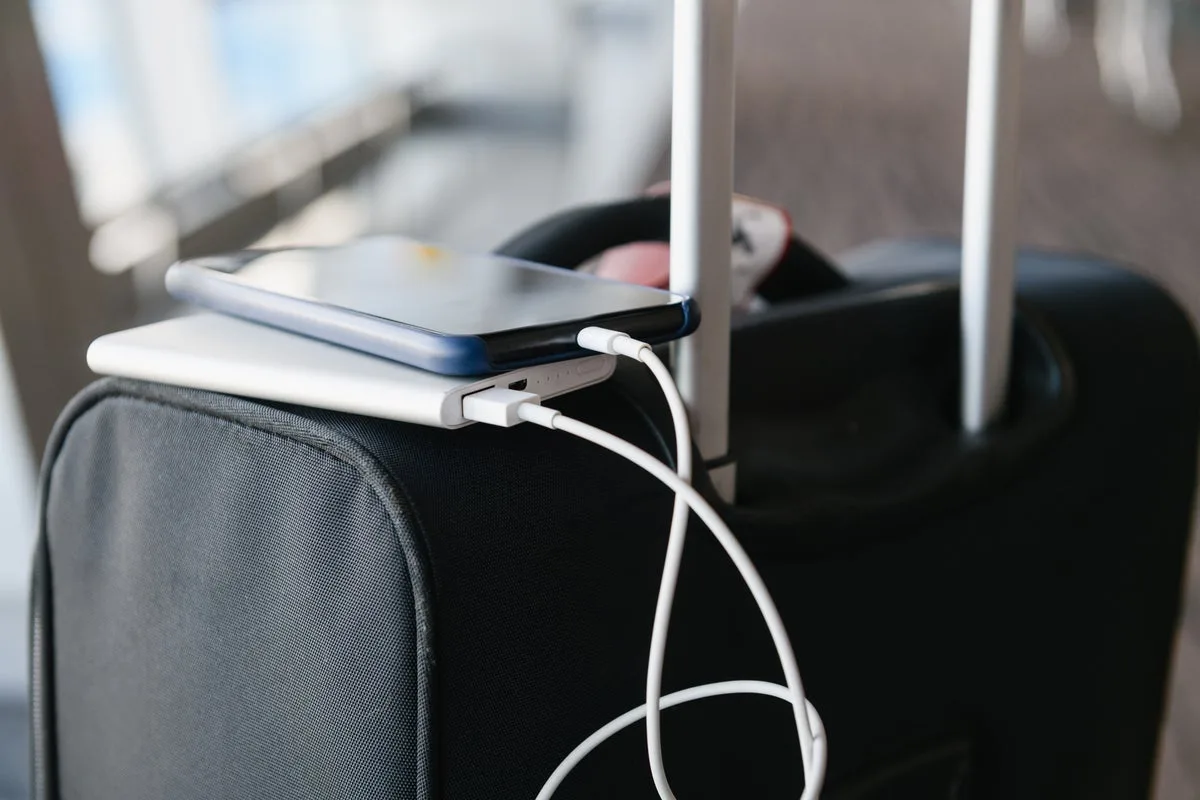
Several airlines have introduced new restrictions on portable chargers, commonly known as power banks, due to fire risks from lithium-ion batteries. The UK Civil Aviation Authority (CAA) updated its guidance on 27 March, limiting passengers to two power banks per person, which must be carried in cabin baggage only.
On 19 May, an easyJet flight from Hurghada to Luton was diverted to Rome after a passenger reported a power bank charging a phone in the hold. The captain diverted as a precaution, causing an overnight delay due to crew hour restrictions. The CAA warns that damaged lithium batteries can cause intense fires that are difficult to extinguish.
Power banks with a capacity of 100Wh or less are generally allowed in carry-on luggage without airline approval, but they must not be connected to any device. Some airlines now require them to be kept on the passenger's person, in seat pockets, or under-seat bags, rather than in overhead storage. Spare batteries must be individually protected to prevent short circuits.
Carriers in the US, China, Taiwan, Thailand, South Korea, Singapore, Australia, and Switzerland have implemented similar bans. Emirates banned power bank use from 1 October, allowing only one per passenger stored under the seat. Virgin Australia, Qantas, and Jetstar also prohibit onboard charging as of December. Japan is considering a blanket ban on domestic flights from April.
The Foreign Office advises travellers to check with their airline if unsure about battery restrictions. Passengers are reminded to keep power banks switched off and not in standby mode while onboard.




