
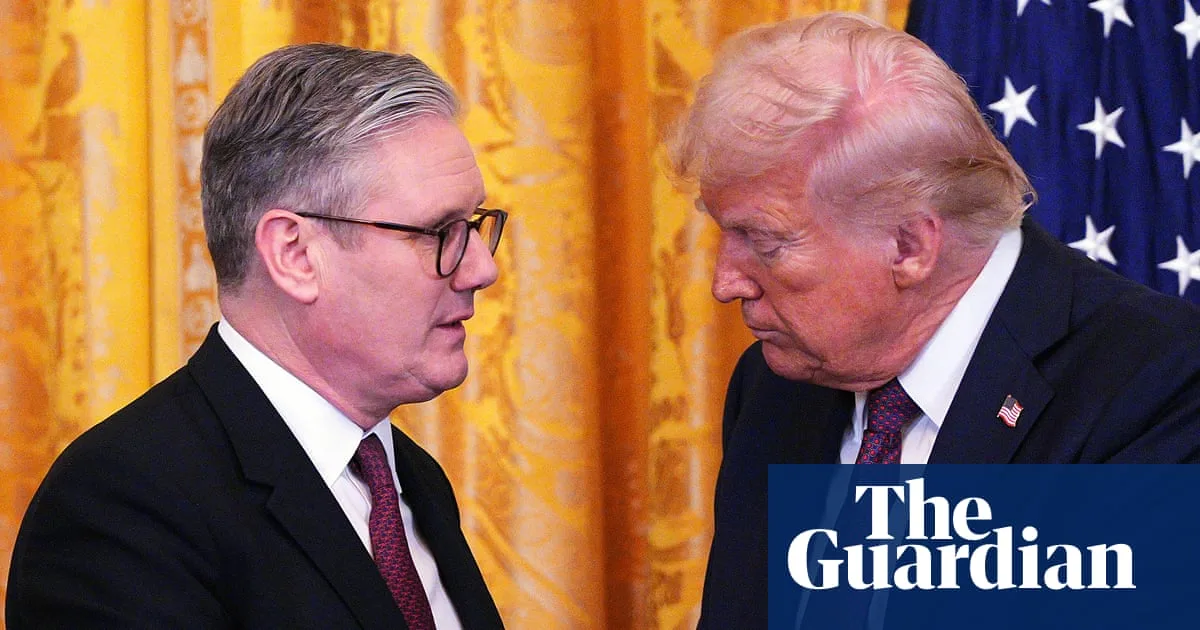
The United States has pledged to stand by existing tariff agreements with the UK, EU, Japan, Switzerland and other nations, despite imposing a new 15% global tariff on all imports. Jamieson Greer, Donald Trump’s trade representative, told CBS’s Face the Nation on Sunday that the new levy is separate from deals struck over the past nine months with around 20 countries.
“We want them to understand these deals are going to be good deals. We’re going to stand by them. We expect our partners to stand by them,” Greer said. The reassurance came after the US Supreme Court ruled on Friday that many of Trump’s earlier tariffs were illegal, prompting the president to announce the new 15% tariff under the 1974 Trade Act.
UK Education Secretary Bridget Phillipson acknowledged on Sunday that British businesses face “uncertainty” following the latest developments, but told Sky News that the UK expects its “preferential” trade arrangements with the US to continue. Business leaders anticipate the UK will “double down” on the Economic Prosperity Deal (EPD) struck between Trump and Prime Minister Keir Starmer in May last year, rather than walk away.
The EU, in a strongly worded statement, called on the US to honour the deal agreed between European Commission chief Ursula von der Leyen and Trump in Scotland last July. That agreement set a 15% import tariff on most EU goods. “A deal is a deal,” the EU said, adding that trade commissioner Maroš Šefčovič had spoken to Greer and US Commerce Secretary Howard Lutnick on Saturday.
William Bain, head of trade policy at the British Chambers of Commerce, said the EPD was “never really about the 10% tariff but the carve-outs”, such as retention of zero tariffs on UK pharmaceuticals and promises on steel and cars. He expects the UK to use the latest twist to secure a better long-term deal. David Henig of the European Centre for International Political Economy noted that “no deal can be expected to last” with this US administration, so all governments are working out their next steps.




