
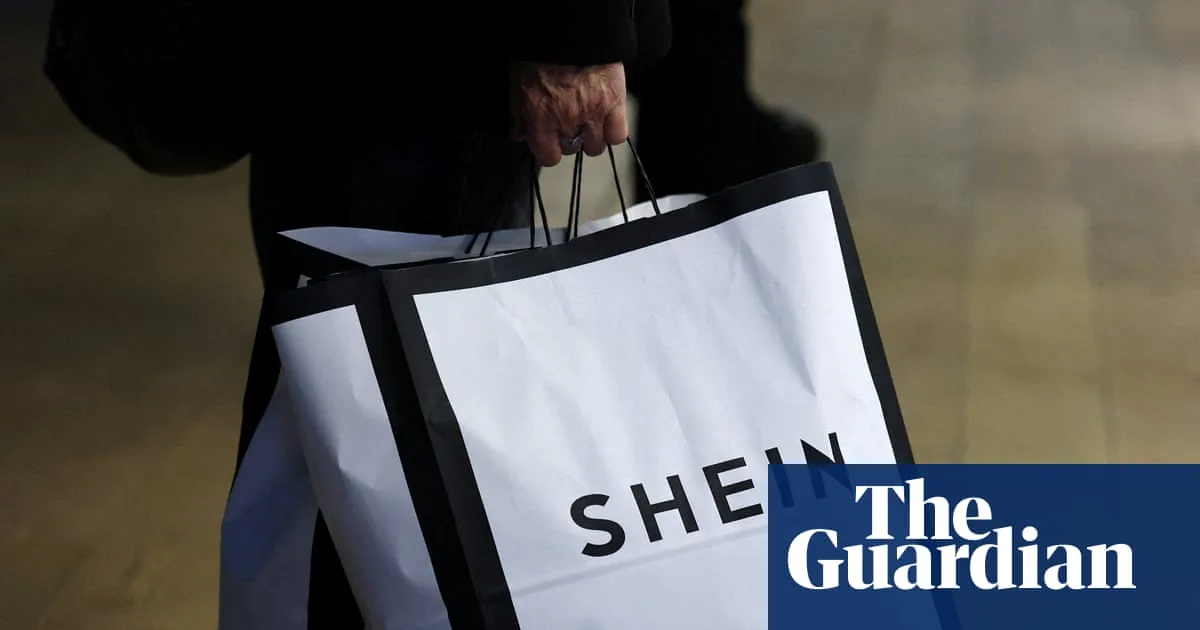
Primark, Currys and Boohoo have criticised the government's decision to wait until 2029 to phase out the tax exemption on low-value imported goods, saying it leaves them exposed to competition from overseas platforms such as Shein and Temu. The British Retail Consortium said the number of parcels arriving in the UK daily has doubled to 1.6 million, and businesses cannot afford any delay in scrapping the existing rules.
The "de minimis" rule permits overseas sellers to send goods worth £135 or less directly to British shoppers without paying customs duty. Retailers argue this gives foreign firms an unfair advantage and has been blamed for "killing the high street". Helen Dickinson, chief executive of the British Retail Consortium, said the chancellor must take decisive action and remove the exemption as fast as possible, warning of risks to consumers from imports that do not meet UK environmental and ethical standards.
The UK's delay follows the US removing its similar threshold for Chinese-made goods in May and for all countries in August, while the EU announced in February that it would phase out its own exemption. George Weston, boss of Associated British Foods, which owns Primark, said the four-year delay announced in the budget "would prolong the damage caused and would be unacceptable".
Dan Finley, head of Debenhams Group, which owns Boohoo and PrettyLittleThing, said it was "disappointing" to wait more than three years. He noted that British online sellers now lose the ability to sell low-value goods to the US and EU without paying duty, while overseas competitors continue to enjoy a similar tax break when selling into the UK. "They managed these changes in nine months in the US," he said. "I'm not sure why we can't do it in the same amount of time."
Alex Baldock, chief executive of Currys, urged the government to go "further and faster" on both de minimis and business rates changes. The Treasury expects the changes to raise about £500m a year, although retail insiders suggest the delay reflects fears of fuelling inflation. The government has said any impact on consumer prices would be modest and that the change seeks to keep the UK in line with partners while ensuring the customs system is fair and fit for modern global trade.




