Business Uncertainty Deepens as Trump Vows Tariff Workarounds After Court Ruling
American businesses are confronting a fresh wave of uncertainty following a Supreme Court decision that invalidated tariffs imposed by former President Donald Trump under emergency powers legislation. In a swift response, Trump has pledged to circumvent the ruling to maintain his tariff regime, creating a murky outlook for companies across multiple sectors.
Court Ruling and Immediate Fallout
The Supreme Court ruled 6-3 that the International Emergency Economic Powers Act did not grant the president authority to tax imports, a power constitutionally reserved for Congress. This decision specifically affects tariffs imposed under that law, but leaves other tariffs intact.
Within hours of Friday's ruling, Trump announced plans to use alternative legal mechanisms to impose a new 10% tariff on all imports lasting 150 days. He further committed to exploring additional measures targeting countries he accuses of unfair trade practices.

"Any boost to the economy from lowering tariffs in the near-term is likely to be partly offset by a prolonged period of uncertainty," warned Michael Pearce, an economist at Oxford Economics. "With the administration likely to rebuild tariffs through other, more durable, means, the overall tariffs rate may yet end up settling close to current levels."
Business Reactions Across Industries
The ruling has prompted diverse reactions from American businesses:
- Retail Sector: Stores have employed various strategies to offset tariff impacts, including absorbing costs, reducing expenses, and diversifying supply chains. Dave French of the National Retail Federation expressed hope for "a seamless process" to refund tariffs deemed illegal.
- Technology Industry: Companies facing disruptions from imported components welcomed the decision. Jonathan McHale of the Computer & Communications Industry Association stated, "With this decision behind us, we look forward to bringing more stability to trade policy."
- Agriculture: Farmers suffering from higher equipment costs and reduced export demand urged restraint. American Farm Bureau Federation President Zippy Duvall cautioned against "using any other available authorities to impose tariffs on agricultural inputs."
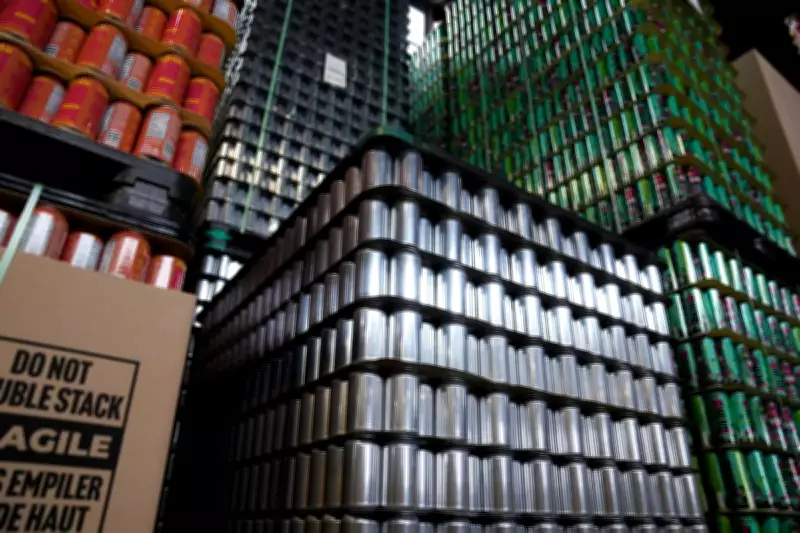
- Manufacturing: Some industries, like steel, furniture, and aluminum, remain unaffected. Revolution Brewing in Chicago continues paying elevated aluminum prices, with managing partner Josh Deth noting, "The beverage industry needs relief here. We're getting crushed by the prices of aluminum."
Legal Complications and Refund Challenges
Efforts to reclaim an estimated $133 billion to $175 billion in previously collected tariffs now deemed illegal are expected to be complex and protracted. Legal experts anticipate these proceedings will disproportionately favor larger corporations with greater resources, while consumers seeking refunds are unlikely to receive compensation.
The Business Roundtable, representing over 200 major U.S. companies, issued a statement urging the administration to narrow future tariff focus to specific unfair trade practices and national security concerns.
International Perspectives
European businesses reacted with skepticism to the ruling. Italian winemakers, who export significantly to the U.S., expressed concerns about continued uncertainty. Lamberto Frescobaldi of the UIV trade association warned of "a more than likely risk that tariffs will be reimposed through alternative legal channels."
Carsten Brzeski, an economist at ING bank, noted potential impacts on pharmaceuticals, chemicals, and auto parts, stating, "Europe should not be mistaken, this ruling will not bring relief. The legal authority may be different, but the economic impact could be identical or worse."
Ongoing Legal Battles
With Trump maintaining an unyielding stance on tariffs, many businesses anticipate years of continued litigation. Basic Fun, a Florida-based toy manufacturer, recently joined other companies in lawsuits seeking tariff refunds. CEO Jay Foreman remarked, "I do worry about some type of perpetual fight over this, at least for the next three years."

Small business owners like Daniel Posner of Grapes The Wine Co. in New York face immediate practical concerns, questioning whether wine shipments arriving shortly after the ruling will be subject to new tariffs. "We're reactive to what's become a very unstable situation," Posner acknowledged.
Ron Kurnik of Superior Coffee Roasting Co. in Michigan, who faced both U.S. and Canadian retaliatory tariffs, described the experience as "like a nightmare we just want to wake up from," despite implementing two 6% price increases since tariffs began.
The Supreme Court's decision has created a complex landscape where legal victory provides limited practical relief, as businesses brace for continued trade policy volatility and potential new tariff implementations through alternative legal channels.