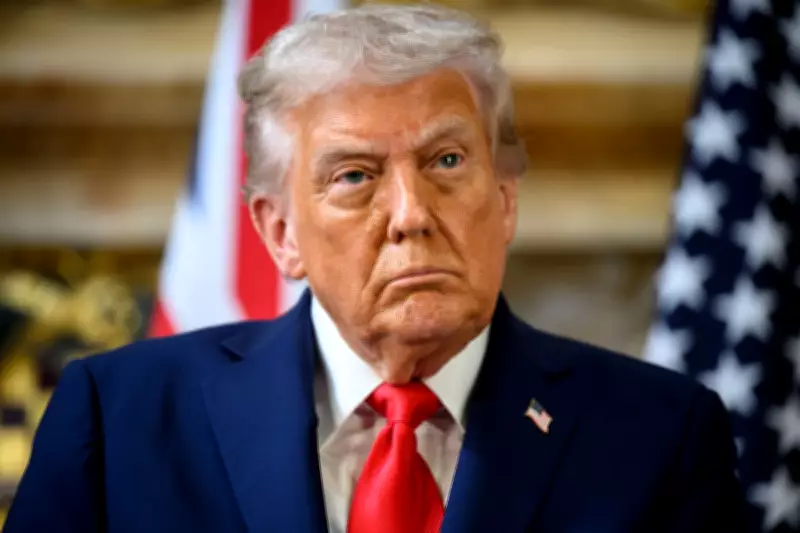
In a significant escalation of trade policy, US President Donald Trump has declared an immediate increase in global tariffs to 15%, a move that has drawn sharp criticism from British business leaders who fear severe repercussions for UK exporters.
Swift Policy Shift Following Court Ruling
The announcement comes just one day after the US Supreme Court struck down Trump's previous import taxes, which were enacted under emergency powers in April. Initially, the President had indicated he would impose a 10% levy in response, but he abruptly revised this to the higher rate in a Saturday post on his Truth Social platform, stating it would be "effective immediately."
British Business Reaction
The British Chambers of Commerce, representing the UK's largest business organisation, expressed immediate dismay at the development. William Bain, head of trade policy at the BCC, warned that the decision would inflict further harm on British businesses already navigating complex trade landscapes.

"We had feared that the President's plan B response could be worse for British businesses and so it is proving," Bain stated. "This means an extra 5% increase in tariffs on a wide range of UK goods exports to the US, except those covered under the Economic Prosperity Deal."
He emphasised that higher tariffs would negatively impact trade, US consumers, and businesses, while also weakening global economic growth. "Businesses on both sides of the Atlantic need a period of clarity and certainty. Higher tariffs are not the way to achieve that," Bain added.
Background and Executive Action
On Friday night, Trump signed an executive order enabling him to bypass Congress and impose a 10% tax on imports worldwide. This followed the Supreme Court's overturning of his "reciprocal tariffs," which had been introduced using an emergency powers law earlier in the year.
Previously, Britain had secured the lowest tariff rate of 10%, with subsequent negotiations between Prime Minister Sir Keir Starmer and Trump resulting in additional exemptions for the UK's steel industry and car manufacturers.
UK Government Response
While questions linger about the full implications for the UK, officials believe the changes will not affect most of Britain's trade with America, including preferential arrangements on steel, cars, and pharmaceuticals. A Government spokesperson reiterated confidence in maintaining the UK's "privileged trading position with the US."
"This is a matter for the US to determine but we will continue to support UK businesses as further details are announced," the spokesperson said. "Under any scenario, we expect our privileged trading position with the US to continue and will work with the administration to understand how the ruling will affect tariffs for the UK and the rest of the world."
Trump's Statement
In his Truth Social post, Trump justified the increase by referencing the Supreme Court's decision, which he described as "ridiculous, poorly written, and extraordinarily anti-American." He asserted that the 15% level was fully allowed and legally tested, aiming to address what he perceives as decades of unfair trade practices against the US.
The move underscores ongoing tensions in international trade relations, with UK businesses now bracing for potential impacts as details of the tariff implementation unfold.