Trump Escalates Trade War with 15% Global Tariff Following Supreme Court Ruling
In a dramatic move that has intensified trade tensions, former President Donald Trump announced on Saturday, 20 February 2026, that he would raise a temporary tariff rate on all US imports from 10% to 15%. This decision came less than 24 hours after the US Supreme Court delivered a significant blow by ruling against the legality of his flagship trade policy.
Supreme Court Ruling Sparks Presidential Fury
The Supreme Court's 6-3 ruling on Friday declared that Trump had exceeded his authority by imposing tariffs without congressional approval. Infuriated by this decision, Trump launched a scathing attack on the justices, labeling them a "disgrace to the nation" and accusing them of being swayed by foreign interests. In response, he immediately ordered a 10% tariff on all imports, in addition to any existing levies, before announcing the further increase to 15%.
In a post on Truth Social, Trump wrote: "I, as President of the United States of America, will be, effective immediately, raising the 10% Worldwide Tariff on Countries, many of which have been 'ripping' the U.S. off for decades, without retribution (until I came along!), to the fully allowed, and legally tested, 15% level." He cited section 122 of the Trade Act of 1974, which permits the president to impose a levy of up to 15% for 150 days, although this move is expected to face legal challenges.

Legal and Political Fallout
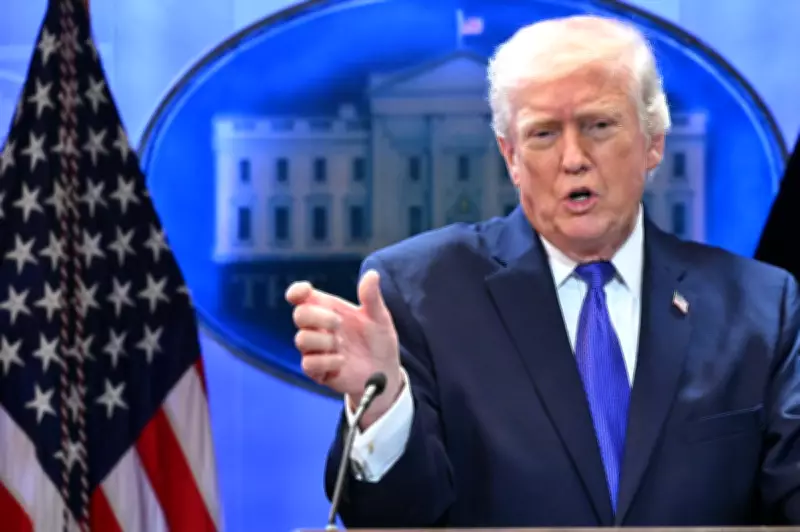
Trump's announcement has plunged the US into a fresh wave of legal and political turmoil. The Supreme Court's ruling, which Trump described as "ridiculous, poorly written, and extraordinarily anti-American," has set the stage for a contentious battle over executive power and trade policy. During remarks at the White House on Friday, Trump expressed shame over certain members of the court, stating, "I'm ashamed of certain members of the court. Absolutely ashamed for not having the courage to do what's right for our country."
He praised the three dissenting justices—Brett Kavanaugh, Clarence Thomas, and Samuel Alito—while deriding the others, including his own appointees, Amy Coney Barrett and Neil Gorsuch. Trump accused them of being "fools and lapdogs for the Rinos and the radical-left Democrats," and called them "very unpatriotic and disloyal to our constitution." He even suggested they were "barely" invited to the upcoming State of the Union address.
Economic Implications and Business Reactions
The tariff hike is poised to have far-reaching economic consequences, affecting global trade dynamics and US businesses. Trump indicated that his administration would work on issuing new and "legally permissible" tariffs during the 150-day period. This move has already prompted US businesses to clamor for refunds following the Supreme Court's strike-down of the previous tariffs, as they grapple with increased costs and uncertainty.
When pressed for evidence of foreign influence over the Supreme Court, Trump cryptically replied, "You're going to find out," adding another layer of intrigue to the unfolding saga. The situation underscores the ongoing debates over economic policy, presidential authority, and the role of the judiciary in shaping US trade relations.