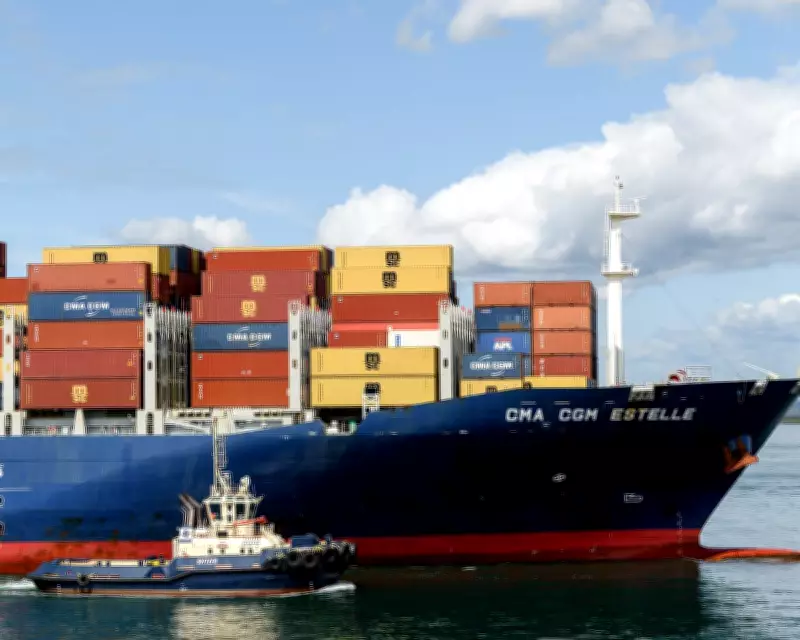
Supply Chain Disruption Concerns Reach Two-Year Peak Amid Soaring Shipping Costs
A stark warning has been issued by the Chartered Institute of Procurement and Supply (CIPS), indicating that cracks are forming in the global trading system. The international trade body, representing 64,000 organisations across 180 countries, has revealed that concerns about supply chain disruption over the next three months have surged to their highest level in two years.
Inflationary Pressures Loom for Key Consumer Goods
The institute's survey, conducted in late 2025, suggests that the price of essential consumer goods could be set for a significant surge this year. This is directly linked to escalating costs in shipping, logistics, energy, and raw materials. Procurement professionals are often the first to see these cracks forming, according to CIPS Chief Executive Ben Farrell, who emphasised that volatility is becoming the norm rather than an exception.
The study highlights specific sectors where price increases are most pronounced:

- Shipping and logistics is the area most likely to see significant price rises in 2026, with 22% of procurement bosses reporting cost increases of more than 10% by the end of 2025.
- Nearly a fifth (18%) reported similar price hikes for computers and peripheral equipment.
- 15% noted cost rises for transport equipment.
- 14% reported increases for electrical machinery and apparatus.
Volatility Becomes a Permanent Feature of International Trade
Procurement leaders surveyed expressed a growing belief that the uncertainty and price volatility currently plaguing global markets risk becoming a permanent fixture. This follows the initial turmoil unleashed by the pandemic, which has been compounded by ongoing geopolitical tensions worldwide. The sentiment is that this is no longer a temporary disruption but a structural shift in how international trade operates.
Farrell added a sobering perspective: "When logistics costs can swing by 20%-30% in weeks, those pressures inevitably ripple through to businesses and consumers alike." This volatility is already feeding into consumer markets, with reports of companies like Lenovo and Dell hiking prices for some computers by about 15% late last year.
Sharp Increases in Global Shipping Rates
Concrete data underscores these concerns. The average spot shipping rate between Asia and the US west coast experienced a dramatic jump of nearly 30% between late December and early January. According to the Freightos Baltic Index, the rate increased to $2,145 for a standard 40ft equivalent unit (FEU), up from $2,757. Prices on routes between Asia and the US east coast and Europe have also climbed sharply in recent weeks.
Geopolitical Tensions and Protectionist Policies Fuel Instability
The survey respondents identified US tariffs and protectionist policies as significant contributors to the current price volatility. They reported being directly affected by shifting trade rules and the ongoing tensions between China and the United States. Furthermore, international freight costs, already on an upward trajectory, climbed further amid heightened geopolitical strains. These include recent threats from Donald Trump regarding Greenland and additional tariffs on European allies, coupled with the persistent possibility of conflict between the US and Iran. Such instability has prompted investors to seek refuge in traditional safe-haven assets like gold and the Swiss franc.
The collective insight from procurement professionals paints a challenging picture for 2026, where businesses and consumers must brace for continued inflationary pressure driven by a fragile and volatile global supply chain.