

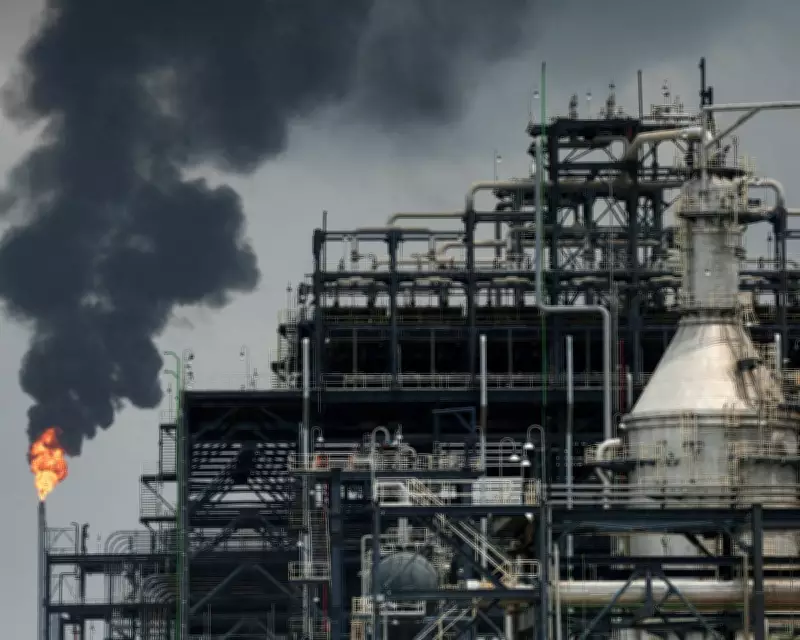
The Dangote refinery in Lagos, Nigeria, supplied approximately 130,000 tonnes of jet fuel to the United Kingdom in March, according to market data from Kpler. This comes as the UK government seeks alternative fuel sources to avert a potential summer holiday crisis caused by the closure of the Strait of Hormuz shipping channel.
Union Dispute at Dangote Refinery
The refinery, owned by Aliko Dangote, Africa's richest man, has faced allegations of sacking workers for joining the Petroleum and Natural Gas Senior Staff Association of Nigeria (Pengassan) union. The Nigerian Labour Congress accused Dangote of a "consistent record of union-busting, exploitative labour practices" and claimed the refinery pays some of the lowest wages in Nigeria's oil and gas sector.
In response, the company denied the allegations, stating that a limited reorganisation targeted a small number of workers who were disrupting operations. Dangote maintained that over 3,000 Nigerians remain employed and that the company respects union membership. Following government mediation, an agreement was reached to redeploy disengaged staff to other companies within the Dangote Group without loss of pay.

UK's Jet Fuel Strategy
Transport Secretary Heidi Alexander stated that the UK is importing more jet fuel from the United States and West Africa to compensate for the disruption in Gulf supplies. British refineries have been asked to maximise production, but Alexander conceded that domestic output is insufficient. The UK currently has four operational refineries: Fawley (ExxonMobil), Humber (Phillips 66), Pembroke (Valero), and Stanlow (Essar).
Matt Stanley, head of market engagement at Kpler, noted that Dangote is producing aviation fuel at maximum capacity. He confirmed that 60,000 tonnes of jet fuel are en route to the UK, with the main import hub for Heathrow being the Isle of Grain. "With jet fuel, you will pay what you have to pay," Stanley said, adding that US refineries and Dangote are likely to gain market share.
A government spokesperson emphasised that UK airlines are not currently experiencing a shortage, as aviation fuel is typically bought in advance and airports maintain bunkered stocks. However, the situation remains under close monitoring.






