Iran has introduced a new set of demands in ongoing nuclear negotiations, a strategy that analysts are calling the 'tollbooth approach.' This term refers to Tehran's insistence on securing concrete economic benefits before agreeing to any limitations on its nuclear program. The demands include the lifting of all sanctions imposed since 2018, guarantees that future US administrations will not renege on deals, and compensation for damages caused by sanctions.
What Is Iran Demanding?
Iran's chief negotiator has outlined several key conditions: first, the removal of all sanctions, including those related to terrorism and human rights, not just nuclear-related ones. Second, a legally binding commitment from the United States that it will not withdraw from any agreement again. Third, financial compensation for the economic losses incurred due to sanctions. These demands are seen as a maximalist position, aimed at testing the resolve of Western powers.
Potential Implications for Oil Markets
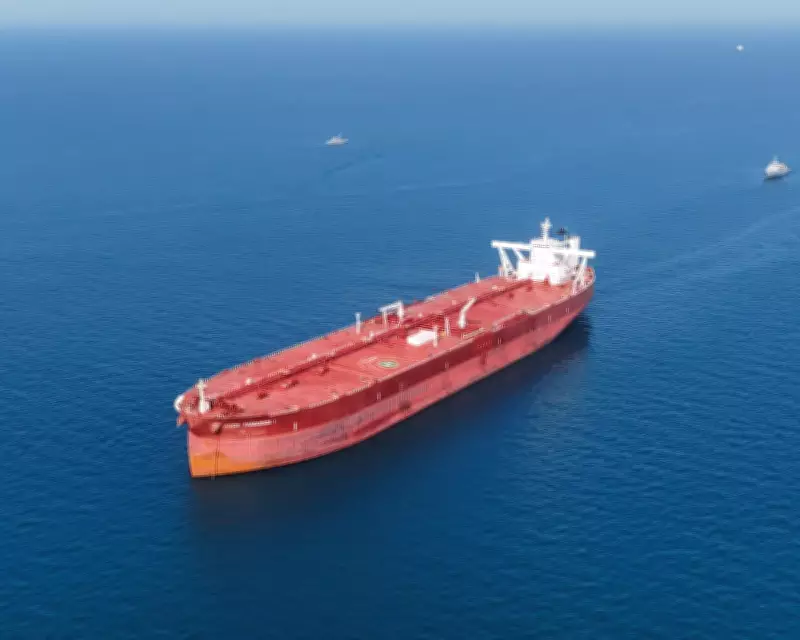
The outcome of these talks could have significant repercussions for global oil prices. If Iran's demands are met and sanctions are lifted, Iranian oil exports could return to the market, increasing supply and potentially lowering prices. Conversely, if talks collapse and sanctions are tightened, Iran could disrupt oil shipments through the Strait of Hormuz, causing prices to spike. Analysts estimate that a full return of Iranian oil could add 1.5 to 2 million barrels per day to global supply.

- Scenario 1: Deal reached – Sanctions lifted, Iranian oil flows freely, oil prices could drop by $5-10 per barrel.
- Scenario 2: No deal – Continued stalemate, oil prices remain volatile, with potential for short-term increases.
- Scenario 3: Conflict – Heightened tensions lead to supply disruptions, prices could surge by $20 or more per barrel.
Market participants are closely watching the negotiations, with oil prices already fluctuating on news of progress or setbacks. The 'tollbooth' strategy has raised the stakes, making a resolution more complex. Iran's insistence on upfront benefits reflects its desire to avoid the pitfalls of the 2015 nuclear deal, which saw sanctions relief but limited economic gains due to US withdrawal.
In summary, Iran's demands are not just about nuclear enrichment but about reshaping the terms of engagement with the West. The outcome will determine not only the fate of the nuclear deal but also the direction of oil prices in the coming months.