Iranian Cargo Ship Transits Strait of Hormuz Defying US Blockade
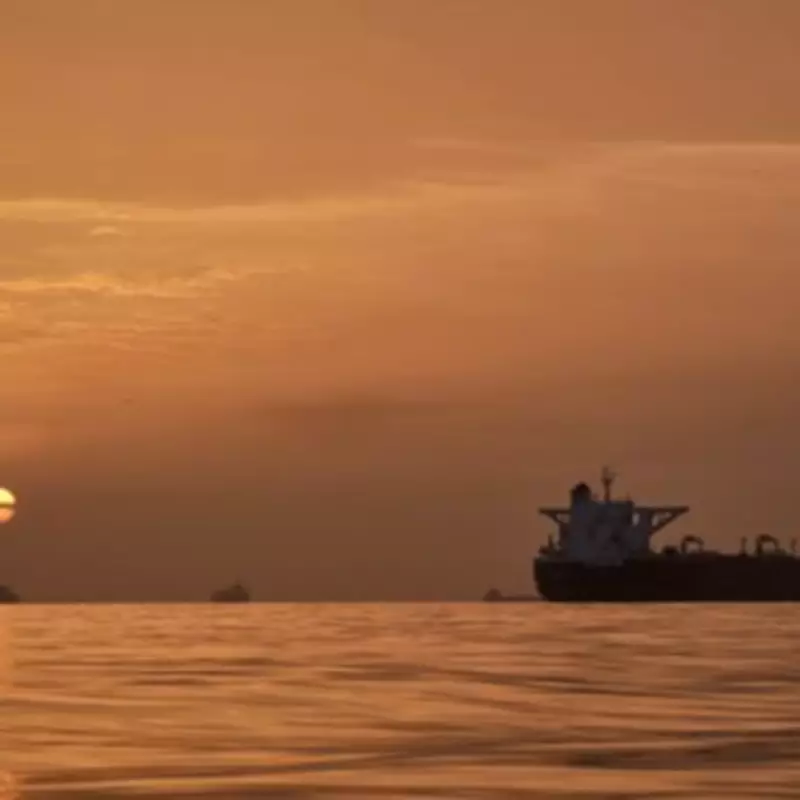
An Iranian-flagged cargo vessel, the Shoja 2, is currently transiting the Strait of Hormuz in defiance of an intensified US blockade targeting Iranian ports along this vital maritime corridor. According to multiple reports, including from Iran's semi-official Tasnim News Agency, the ship departed from Shahid Rajaee Port near Bandar Abbas and is en route to the Port of Kandla in India.
Escalating Tensions in Critical Trade Route
Movement through the Strait of Hormuz has been severely disrupted since Iran closed the passage in late February, a retaliatory measure following joint US-Israeli military strikes that commenced on February 28. Despite a brief ceasefire, the United States has imposed a blockade on Iranian ports within the strait, aiming to pressure Tehran into reopening the route and complying with peace negotiation demands.
The geopolitical standoff has significant implications for global energy markets, as approximately 20% of all internationally traded oil traverses the Strait of Hormuz. The closure has already destabilised global markets, contributing to a sharp increase in oil prices and raising concerns about supply chain security.

Marine Tracking Data Confirms Navigation
Al Jazeera news agency has reported that marine tracking data from Maritime analytics provider MarineTraffic indicates the Shoja 2 is actively navigating within the strait. MarineTraffic confirms the vessel's destination as India, though independent verification of its transit remains pending amid the heightened military and diplomatic tensions.
This development follows recent footage released by US Central Command, which depicted US Marines boarding an Iranian tanker after reportedly damaging its engine room. The incident, occurring as the tanker approached the Strait of Hormuz, underscores the volatile environment in the region, with the US continuing its blockade efforts, which Iran claims have prompted the reclosure of the strait.
Broader Implications for International Trade
The ongoing confrontation highlights the fragility of key global trade chokepoints and the potential for regional conflicts to escalate into broader economic disruptions. Analysts warn that prolonged instability in the Strait of Hormuz could lead to sustained high oil prices, affecting consumers and industries worldwide.
As the Shoja 2 proceeds on its journey, the situation remains fluid, with international observers closely monitoring for any further military or diplomatic developments that could impact maritime security and global energy supplies.