
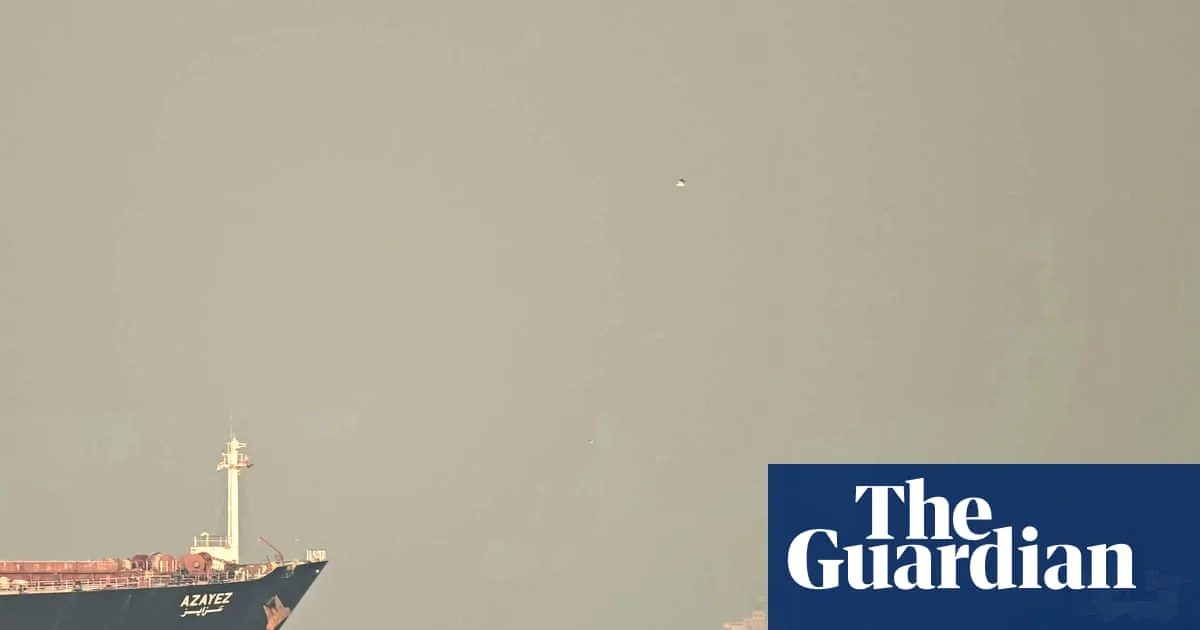
Malaysian Prime Minister Anwar Ibrahim announced on Thursday that his country's vessels have been permitted to transit the Strait of Hormuz following discussions with Iranian President Masoud Pezeshkian. In a televised address, Anwar thanked Pezeshkian for allowing the passage of Malaysian ships, stating that the release of oil tankers and crew members is underway.
Malaysia, despite being an oil producer, relies on the strait for approximately 50% of its oil supply. Anwar noted the impact of the blockade and war on the country's oil and gas supplies, emphasizing the need to manage the situation.
Since Iranian forces effectively blocked the strait in retaliation against US and Israeli strikes, only a limited number of vessels—mostly Iranian, with some from Thailand and China—have passed through. A Thai oil tanker safely crossed the waterway earlier this week after diplomatic coordination between Thailand and Iran, without paying to bypass the blockade.
At least two Chinese-owned LPG carriers and a Chinese containership have also reportedly transited the strait, with the containership making a payment to Iranian authorities, according to Lloyd's List. Meanwhile, a Thai-flagged cargo ship hit by projectiles earlier this month ran aground off Iran's Qeshm Island; 20 crew members were rescued, with three missing after an explosion caused a fire.
The UK has offered to host an international security summit to develop a plan to reopen the strait, through which about 20% of global oil supplies normally pass, as economic fallout from the Iran conflict continues.




