India Indefinitely Postpones High-Stakes US Trade Mission Following Supreme Court Ruling
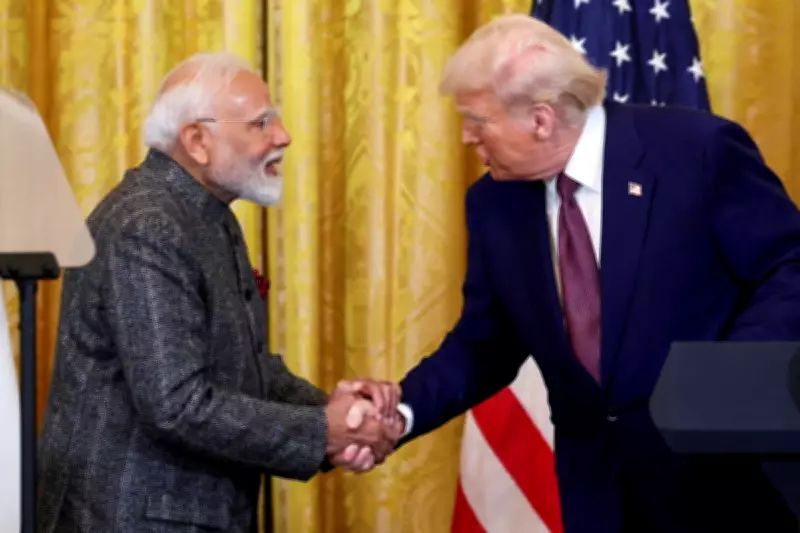
India has indefinitely postponed a critical trade mission to the United States, which was scheduled to commence on Monday, in response to a recent US Supreme Court decision. The ruling found that key components of former President Donald Trump's tariff programme were improperly enacted using emergency powers, casting significant doubt on their legal standing.
Implications for Trade Negotiations
The postponement allows both nations to thoroughly assess the far-reaching implications of the court's verdict on their emerging trade agreement. This development has introduced considerable uncertainty into the negotiations, potentially delaying progress on a deal that both sides had been keen to advance.
Trump's New Tariff Regime
In the wake of the ruling, Donald Trump has announced a new global tariff regime, initially set at 10 per cent and subsequently increased to 15 per cent, utilising alternative executive powers. This move aims to circumvent the legal challenges posed by the Supreme Court's decision but has further complicated international trade dynamics.

Broader Impact on Global Trade
The Supreme Court's ruling has not only affected US-India relations but has also unsettled trade negotiations with other key nations, including China. The legal ambiguity surrounding tariffs imposed during Trump's administration has created a ripple effect, prompting countries to reevaluate their trade strategies and agreements.
Background and Context
The postponed trade mission was intended to address high-stakes issues such as market access, intellectual property rights, and tariff reductions. India's decision to defer the talks underscores the volatile nature of current global trade policies and the need for legal clarity in international agreements.
As both countries navigate this complex landscape, the indefinite postponement highlights the ongoing challenges in achieving stable and mutually beneficial trade relations amidst shifting political and legal frameworks.