
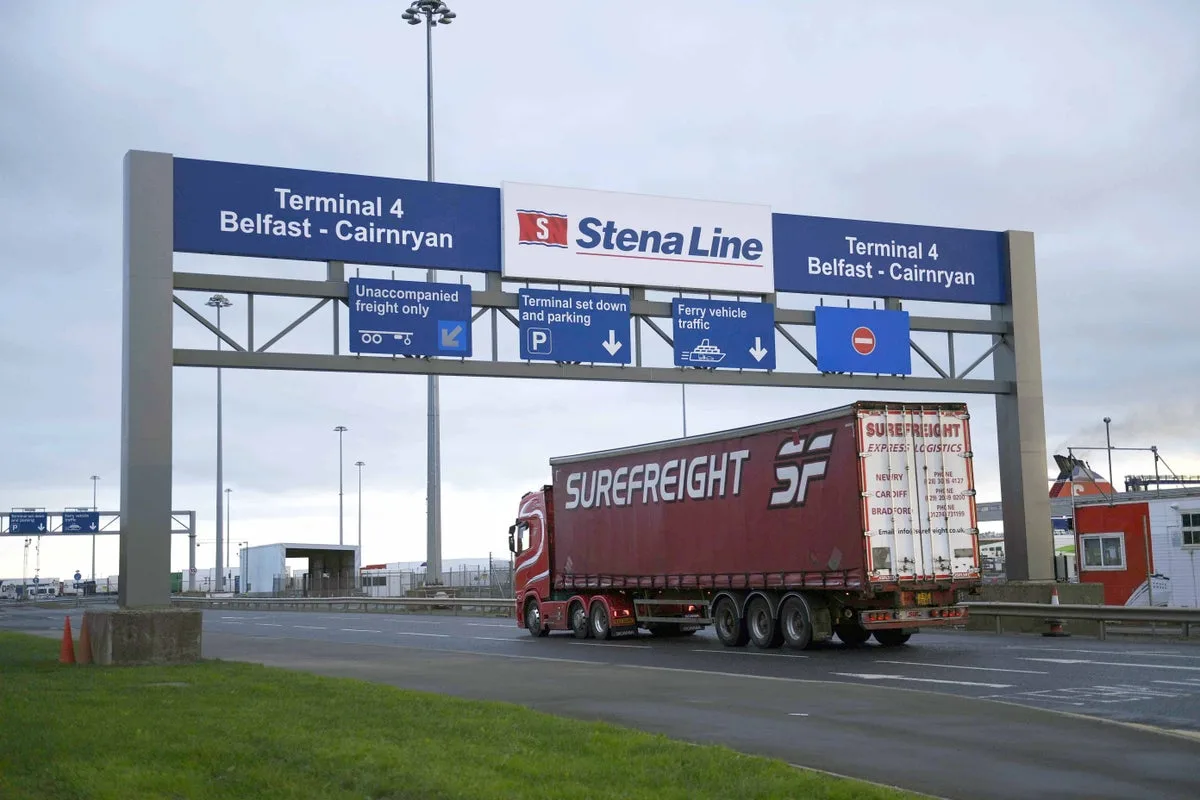
The number of haulage companies going insolvent has nearly doubled in the five years since Brexit, prompting concerns over supply chain disruption and rising food prices, according to data released in response to a parliamentary question by Liberal Democrat Europe spokesperson Al Pinkerton.
Between 2021 and 2025, 2,051 haulage firms went bust, almost double the 1,068 that collapsed in the five years prior. The figures come amid additional pressures from the Iran war, which has driven oil prices higher due to Iran's control over tankers in the Strait of Hormuz.
The situation is expected to worsen as the EU's Entry-Exit System (EES) is fully enforced, requiring UK travellers to register fingerprints and photographs to enter the Schengen area. The Road Haulage Association warns that 80% of operators expect a decrease in business, with industry bodies estimating the economic hit could reach £400 million.
Pinkerton urged the government to secure an agreement with the EU allowing British hauliers to register biometric details away from the border, warning that failure would have a catastrophic impact on supply chains and increase food and goods prices. He also called for negotiations on a customs union to reduce Brexit bureaucracy.
A Bank of England survey of finance bosses found that firms expect to raise prices by 3.5% over the next year, partly due to surging energy costs linked to the Iran war. Prime Minister Sir Keir Starmer has signalled a desire for closer EU ties but maintains Labour's manifesto red lines against rejoining the customs union or single market.
A Cabinet Office spokesperson said the government is working with ports and transport operators to ensure a smooth EES rollout, noting that the UK-EU food and drink trade deal will reduce red tape and add £5.1 billion to the economy.




