Brazil and India Seal Strategic Agreement on Rare Earths and Critical Minerals
Brazil and India have solidified a significant new partnership by signing a non-binding memorandum of understanding on Saturday, aimed at boosting cooperation on rare earth minerals and other critical resources. This agreement establishes a comprehensive framework for collaboration between the two major global south nations, with a focus on reciprocal investment, exploration, mining activities, and artificial intelligence applications, among other strategic areas.
Strengthening Ties Between BRICS Founding Members
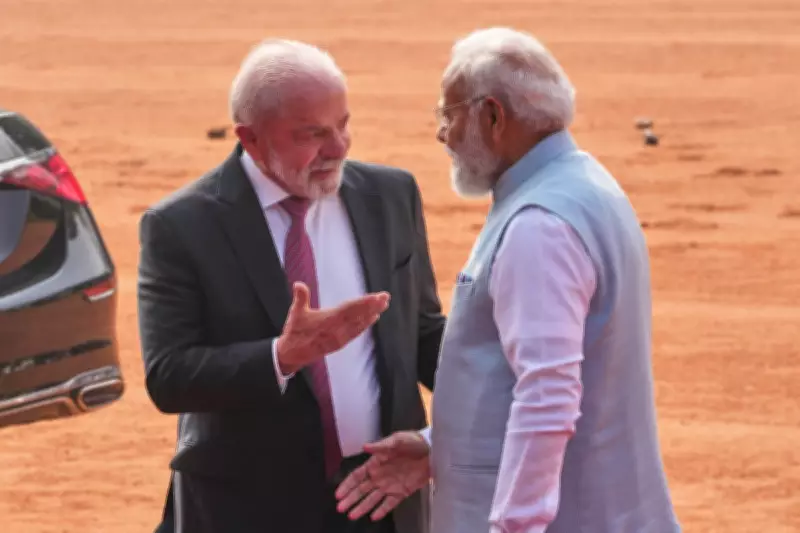
The deal was announced during Brazilian President Luiz Inácio Lula da Silva's state visit to India, which began on Wednesday and continues through Sunday. Lula emphasized the importance of this pioneering agreement, stating to journalists that increasing investments and cooperation in renewable energy and critical minerals lies at its core. He was accompanied by an extensive delegation of eleven ministers, including those overseeing foreign affairs, finance, health, and agriculture, along with numerous business leaders, which he described as potentially the largest delegation of his international trips to date, underscoring his commitment to deepening ties with India.
Both Brazil and India are founding members of the BRICS+ bloc of developing nations, and this visit follows Indian Prime Minister Narendra Modi's trip to Brazil in July of the previous year. The agreement also includes legal frameworks covering entrepreneurship, health, scientific research, and education, broadening the scope of bilateral relations beyond mineral resources.

Geopolitical Significance and Strategic Autonomy
Brazil possesses the world's second-largest reserves of rare earth minerals, which are essential components in a wide array of modern products, including smartphones, electric vehicles, solar panels, and jet engines. According to Oliver Stuenkel, an international relations professor at the Getulio Vargas Foundation, this deal is part of a broader strategy by both India and Brazil to enhance their strategic autonomy from major powers like China and the United States through diversification of trade partnerships.
Stuenkel noted that Brazil has been pursuing this strategy for years, which enabled Lula to stand up to former U.S. President Donald Trump last year when tariffs were imposed on Brazilian exports. The U.S. later removed most of these tariffs and sanctions, but the experience reinforced Brazil's approach. "The reading is that, given how turbulent and unpredictable things have become, the more partners, the better," Stuenkel explained.
Repositioning Critical Minerals on the Global Stage
Roberto Goulart Menezes, an international relations professor at the University of Brasilia, highlighted that last year's confrontation with the U.S. catalyzed Brazil's decision to prioritize rare earths and critical minerals in negotiations. "Brazil began to reposition its understanding of the importance of these elements beyond their commercial dimension, recognizing their geopolitical relevance," Goulart stated.
He added that this agreement with India serves as a pilot initiative before Brazil engages in negotiations with countries where relationships are more asymmetrical, such as the United States. Lula is expected to visit his counterpart in Washington D.C. in the coming months, further illustrating Brazil's strategic maneuvering in global diplomacy.
This partnership not only strengthens economic and technological ties between Brazil and India but also marks a significant step in reshaping global supply chains for critical resources, emphasizing the growing influence of developing nations in the international arena.