

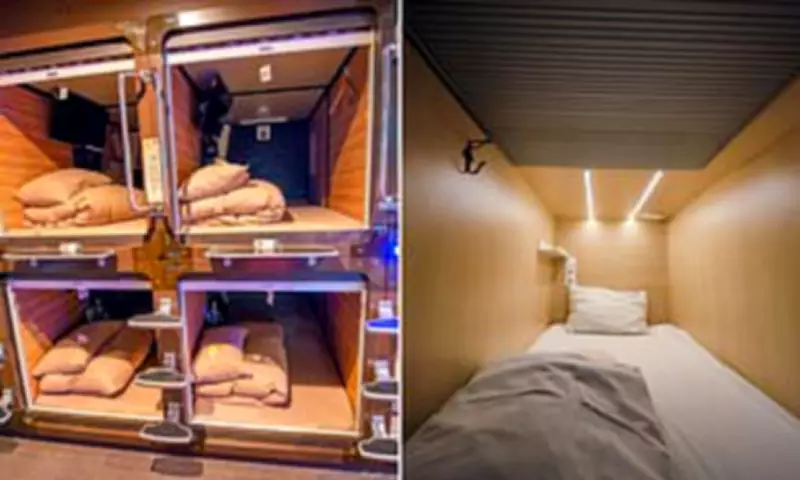
Imagine this scenario. You are browsing online for accommodation and find a hotel that appears reasonable, offering a decent price in a prime location with breakfast included. Without a second thought, you proceed to book it. Six months later, you arrive and are escorted to a dark, cavernous space that resembles a glorified shoebox, devoid of any natural light.
The Unwelcome Trend of Windowless Accommodation
It is unclear precisely when this trend of windowless hotel rooms began, but one thing is certain: it must come to an immediate halt. Aside from nocturnal creatures like bats, hibernating bears, or financially strained backpackers with limited options, there is virtually no one on Earth who desires to sleep in a room without a view.
The Joy of a Hotel Window
For many travellers, part of the excitement of staying at a hotel—whether it is a Premier Inn in Milton Keynes or a boutique resort in the Bahamas—is the simple morning ritual of waking up, switching on the kettle, and drawing back the curtains. It does not matter if the view outside showcases Iceland's majestic fjords or the car park of a local supermarket; this small act is a cherished moment that sets the tone for the day.

Glancing out of a hotel window often provides that first glimpse of a new destination, especially if you arrived under the cover of darkness the previous evening. It is an integral part of the travel experience that should not be compromised.
Regulatory Standards and Hospitality
In the United Kingdom, building regulations mandate that habitable rooms in new constructions, houses in multiple occupation (HMOs), and rental properties must have windows. It seems only reasonable that similar standards should be applied to the hospitality industry. While some individuals might argue they sleep more soundly when enveloped in complete darkness, it is difficult to conceive of a hotel room that is improved by the absence of a window.
Recently, at a capsule hotel in Tokyo—essentially a glorified coffin equipped with a television and a curtain—the experience left one guest feeling unusually groggy and despondent upon waking. The immediate urge was to escape the confined space, navigating past equally disheartened guests struggling in the dim light to locate their belongings and maintain their dignity.
The False Economy of Windowless Rooms
Admittedly, the capsule hotel example may represent an extreme case, and the guest was aware of what to expect, driven by curiosity about a one-off 'capsule hotel' experience. However, whether you are a cash-strapped Gen Z traveller on a gap year in Southeast Asia or a wealthy entrepreneur indulging in a luxury getaway in the Maldives, every guest deserves a room with a window, irrespective of the price paid.
Staying at a hotel should be an enjoyable experience, regardless of the purpose of the visit. Yet, as with many aspects of contemporary life, comfort has increasingly been sacrificed in favour of cost-cutting measures.
Profit Over Hospitality
Many hoteliers appear to actively promote the sale of tiny, claustrophobia-inducing rooms, enthusiastically marketing windowless 'crashpads' and unapologetically prioritising profit over ensuring guests receive a good night's sleep. This practice is often disguised as a 'cost-saving' option for budget-conscious travellers. However, this justification is fundamentally flawed.
These windowless rooms are primarily money-spinners conceived by developers who are more focused on maximising revenue than delivering decent hospitality. If this trend continues unchecked, what might be next? Could televisions be removed? Showers eliminated? Might guests soon be required to bring their own bedding and settle for meagre, Oliver Twist-style meals?
It is essential to recognise that windowless rooms are not about enhancing accessibility or providing genuine cost savings for consumers. Instead, they represent a significant degradation of hospitality standards. We are on a slippery slope where, much like the phenomenon of shrinkflation, guests are being deceived into accepting less while paying more.

Taking a Stand for Natural Light
Therefore, the next time you are handed the keys to one of these drab, shadowy enclosures, consider taking a stand. Complain, return the keys, and request an alternative room with a window. It is time to reclaim our right to natural light, one window at a time, and insist on the basic comforts that define true hospitality.





