

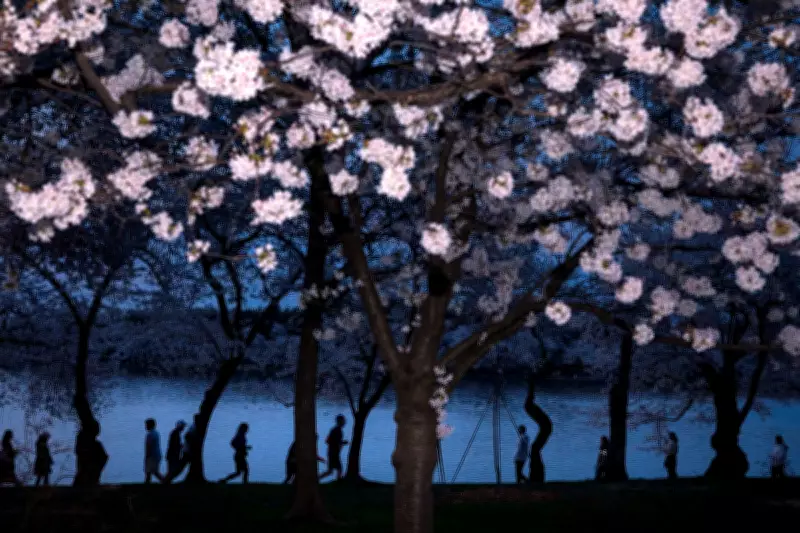
Washington's cherry blossoms have reached their peak bloom, casting a fleeting burst of pink across the capital and signaling the unofficial commencement of the city's spring tourist rush. This annual spectacle offers a vibrant contrast to the concrete and granite landscape often dominated by the weight of national decision-making.
The Timing and Significance of Peak Bloom
According to the National Park Service, which oversees approximately 3,500 cherry trees throughout Washington, peak bloom is defined as the day when 70% of the Yoshino Cherry blossoms are fully open. This year, the event has occurred right on schedule, typically falling between the last week of March and the first week of April. Historical records show it can happen as early as March 15 or as late as April 18, making this year's timing particularly noteworthy for visitors and locals alike.
Weather Dependence and Bloom Duration
The delicate blossoms are highly susceptible to weather changes, with peak bloom lasting only a few days under ideal cool and calm conditions. A single rainy or windy day can swiftly end the ephemeral pink glow along the Tidal Basin and other city sites, scattering petals prematurely. Fortunately, the absence of a late frost this season ensured the trees could bloom at all, avoiding potential cancellation of this cherished natural display.

National Cherry Blossom Festival Highlights
Coinciding with the bloom is the four-week National Cherry Blossom Festival, running from March 20 to April 12. The festival features musical performances, Japanese cultural events, and a fireworks display, drawing global attention. Last year, organizers reported over 1.6 million attendees from around the world, with a bloom cam accumulating more than 2.3 million views, underscoring the event's international appeal.
Historical Roots and Ongoing Care
The cherry blossoms trace their origins to a 1912 gift of 3,000 trees from the mayor of Tokyo, with the Japanese government continuing to play a role in their maintenance and festival involvement. In 2024, Fumito Miyake, minister for public affairs at the Japanese Embassy, announced an additional contribution of 250 trees as a "birthday present" ahead of the 250th anniversary of American independence this summer, reinforcing the cultural and diplomatic ties.
Current Challenges and Renovations
Visitors this year face a somewhat restricted viewing area at the Tidal Basin, home to the densest concentration of cherry trees. The National Park Service is midway through a three-year renovation project to reinforce the basin's aging seawall in time for the summer anniversary, resulting in fenced-off sections and the removal of more than 100 trees, which will be replanted post-renovation.
The Legacy of Stumpy
Notably, Stumpy, a gnarled tree that gained internet fame, was among those cleared for the renovations, preventing in-person visits. However, clones of Stumpy have been preserved and await replanting once work concludes. Last year, festival organizers added a memorial pedal-boat race to honor this iconic tree, celebrating its unique place in Washington's botanical history.
As the cherry blossoms continue to captivate audiences, their brief yet brilliant appearance serves as a poignant reminder of nature's transient beauty amid urban life.






