Holidaymakers visiting Italy face a new £43 a day charge designed to reduce and pay for the impact of tourism. Simone Venturini, a former tourism councillor, has been elected mayor of Venice and is planning to increase the amount tourists pay to visit.
Venice's Tourist Fee Evolution
The city became the first in the world to charge people to enter in 2024, with a €5 fee on 29 dates between April and July. This was then expanded to 54 dates and this year to 60 dates. The scheme has so far not significantly reduced the number of visitors to Venice, but it raised €2.4 million in its first year. Venturini has said he will raise the fee to between €30 and €50.
Proposal and Approval Process
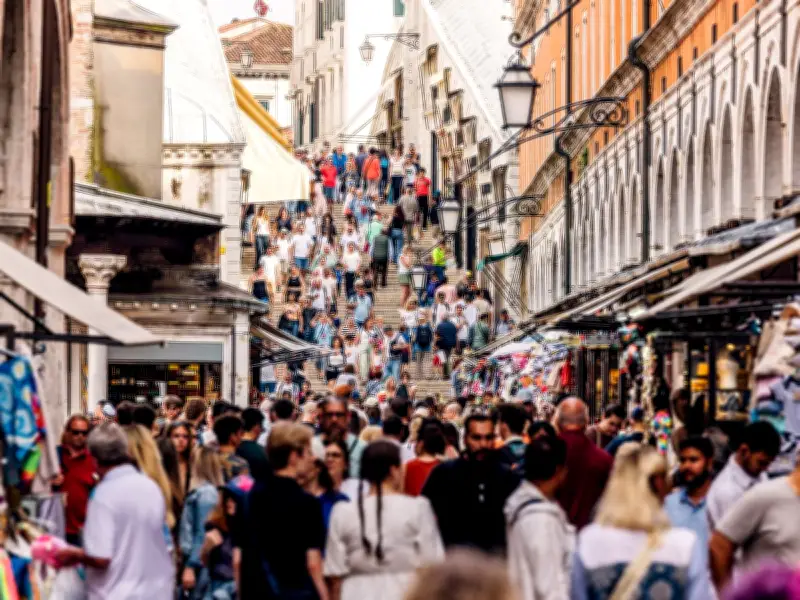
The council is now working on a proposal that will go to the national government for approval. Venice welcomes roughly 5.9 million officially registered overnight tourists annually. When factoring in unregistered day-trippers — commuters coming by train, regional visitors, and tourists staying outside the lagoon on the Italian mainland — the estimated total surges to between 25 and 30 million visitors per year. In peak season, tourists outnumber locals two to one.
Impact on Local Life
As tourism exploded, the historic centre of Venice saw regular apartment buildings rapidly converted into short-term vacation rentals, driving property prices and rents so high that locals could no longer afford to live there. Local bakeries, hardware stores, and neighbourhood grocers have closed down, replaced by souvenir shops selling mass-produced plastic gondolas and cheap glass. Venetians are leaving for the mainland at a rate of roughly 1,000 people a year.
Fragile City Under Strain
Built on wooden piles driven into a mud lagoon, Venice is fragile. The high volume of human traffic accelerates the wear and tear on ancient stone bridges and walkways. While Venice successfully banned massive cruise ships from the central canal to protect the underwater foundations from wake damage, smaller watercraft and the immense waste generated by millions of daily visitors continue to pollute and strain the system.