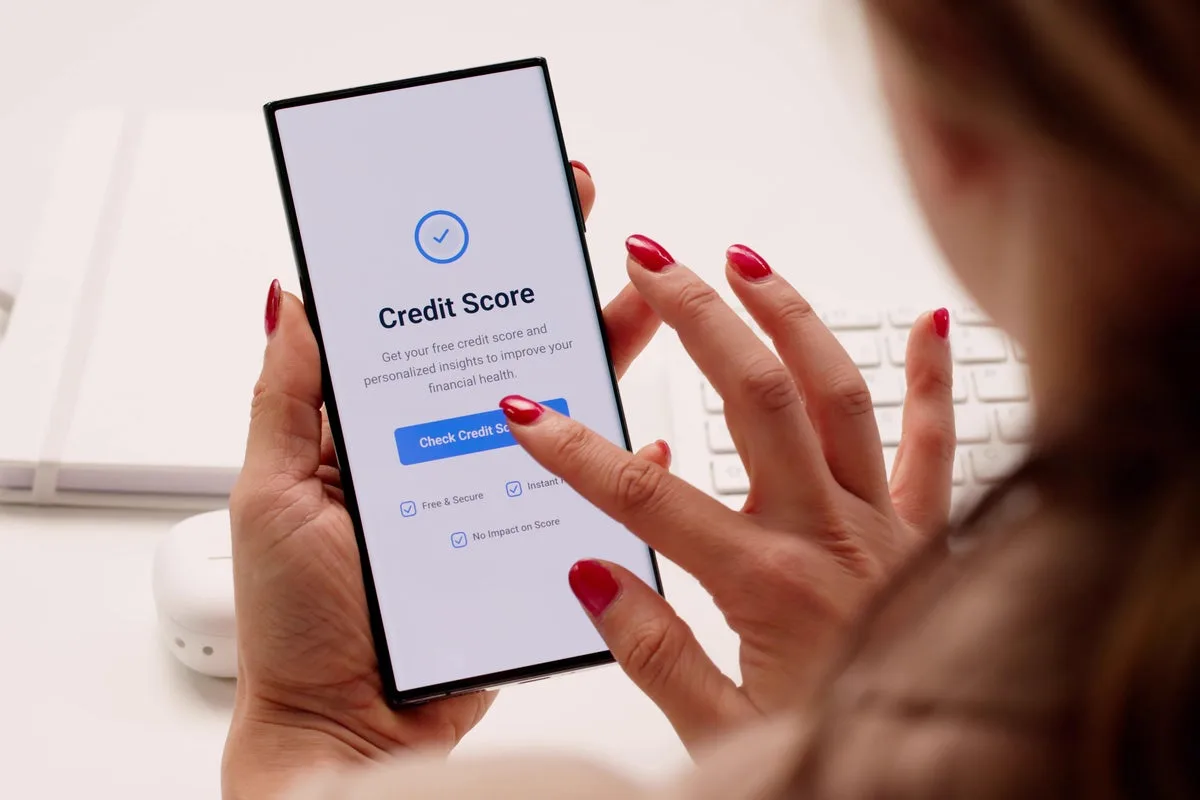
A poor credit score can seriously undermine a person’s financial stability and daily life, according to financial experts. It signals a history of problematic borrowing and can lead lenders to reject loan applications, charge higher interest rates, or offer smaller sums.
Helen Saxon, deputy editor at MoneySavingExpert, explains that credit scores from agencies are only an indication of past credit management. Lenders do not see the score itself, but the data on the credit report, and they make decisions based on that. “If you’ve got a ‘bad’ credit score, then it’s likely you’ve not managed credit well in the past,” she says.
Lilly Aaron, senior policy manager at the Money and Pensions Service (MaPS), says every adult in the UK has a credit score, which reflects how attractive they might be to lenders. A poor score could be caused by missed or late payments. She adds that the three main credit reference agencies – Experian, Equifax and TransUnion – use different scoring systems, so “your score can look different depending on who calculates it”.

Several factors can damage a credit file, including maxing out credit cards, making many applications in a short period, having county court judgments (CCJs), bankruptcy, or defaulting on a loan. Experian notes that defaults stay on the file for six years from the date of default, even if the debt is repaid. A limited borrowing history can also be a problem, as lenders have less evidence of repayment behaviour.
Bad credit can affect more than just loans and mortgages. Aaron says landlords may check credit reports, and insurance premiums can be higher. Saxon warns it can even prevent someone from getting a mobile phone contract. However, both experts stress that a poor credit history is not permanent. Saxon advises making repayments and paying bills on time over a sustained period to build a positive track record. Keeping borrowing within limits and avoiding a flurry of applications also help. Aaron recommends checking all three credit reference agencies, as they may hold slightly different information.