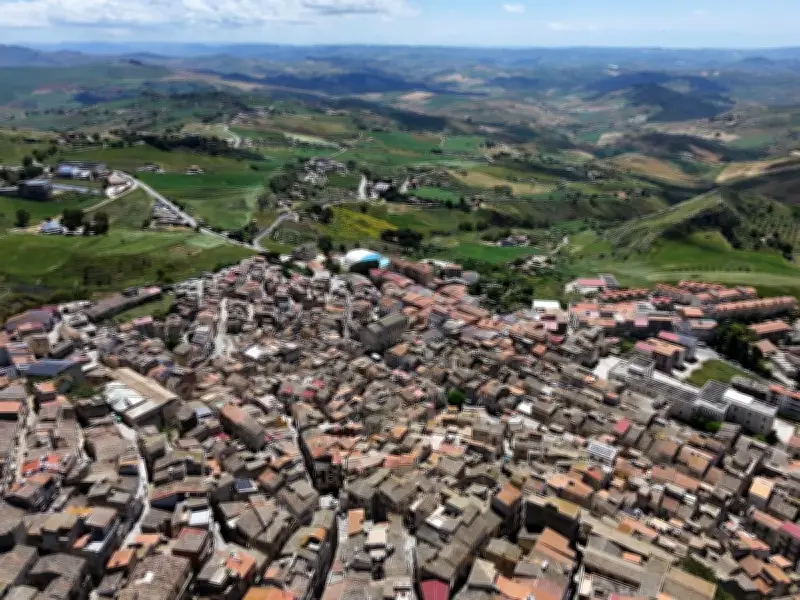
Travel vlogger Ben Morris visited the Sicilian town of Sambuca di Sicilia, known as "Italy's little America" due to US property buyers, to investigate the €1 home scheme. He quickly discovered a major catch: houses advertised for €1 are typically bid up to €5,000 (about £4,200).
The Bidding Process
Morris spoke to a local estate agent who explained the scheme: "So, when they launched the first project, then there has been three: €1 houses, €2 houses, and €3 houses." The agent added, "The rules are more or less always the same. You have to do an offer of at least €1, €2 or €3, but you know that the higher offer will win the house."
Morris noted in his YouTube video, "So there's the catch in Sambuca. Although houses do go on the market for €1, they usually get bid on for up to €5,000 (about £4,200)." He mentioned that other towns, like Mussomeli, offer houses straight up for €1 with no bidding.
Renovation Costs
Morris highlighted the story of Meredith Tabbone, who bought her Sambuca home for €5,000 and later purchased the adjacent property. Her renovations cost $446,000 (about £333,000). He then visited Mussomeli, where a woman named Natalie showed him two €1 homes. Upon entering one, he was advised to walk only on the edges of the floor for safety, as the property was dilapidated.
Morris commented, "And that is exactly why so many of these homes are being sold for so cheap. You're going to need to do renovations and spend money to make it livable. You also have the responsibility to make sure your house doesn't fall down and like kill your neighbour or something."
Additional Expenses
Natalie explained that buyers must also cover closing costs, including notary fees and certificates. Morris called this another "little catch." Around 25 municipalities in Italy offer such schemes, driven by a rural exodus as young Italians move to cities, leaving villages with aging populations.
1eurohouses.com stated, "We do not need new constructions and new overbuilding. The strategy to improve the housing environment and reclaim our cultural identity is to revive the small abandoned centres or to redevelop buildings in a state of abandonment, with a story that is our history."