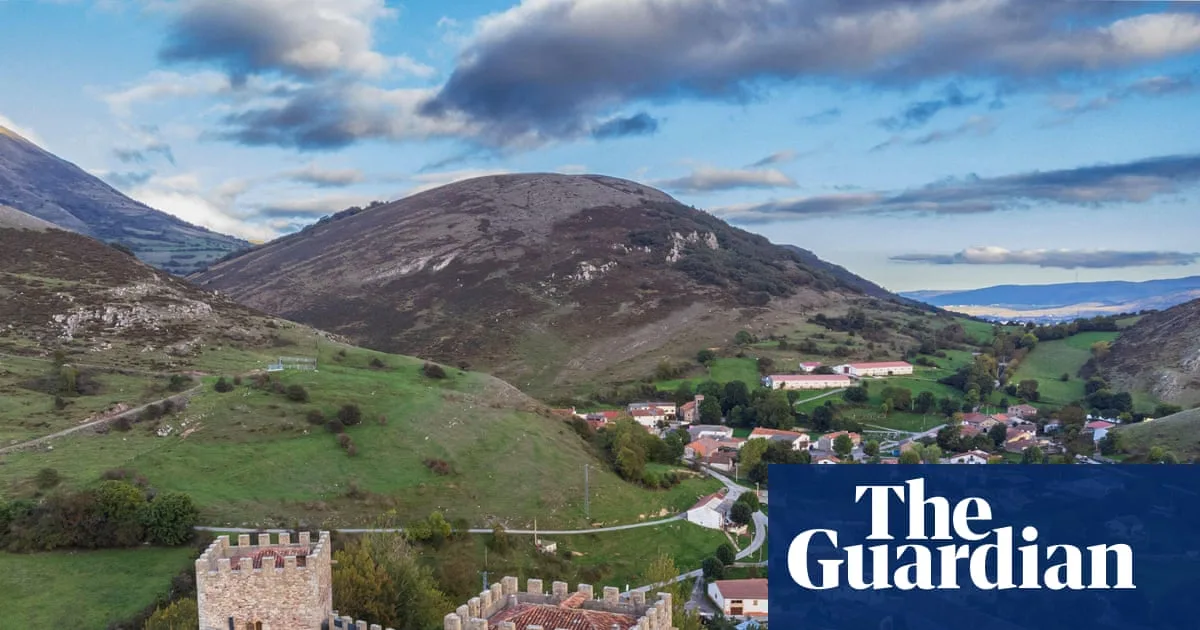
Spain is intensifying efforts to promote lesser-known regions and off-season travel as the country prepares for another record year, with foreign visitor numbers potentially reaching 100 million for the first time, according to tourism minister Jordi Hereu.
Speaking exclusively to the Guardian, Hereu rejected claims that Spain is saturated with tourists but acknowledged that “old formulas no longer work” amid growing concerns over overtourism and climate change. He emphasised a shift towards “calm growth” that is sustainable and manageable.
Last year, Spain welcomed 96.8 million foreign tourists, a 3.2% increase, with spending rising 6.8% to €134 billion. First-quarter figures show continued growth of 3.4% in arrivals and 6.7% in revenue. Hereu noted that uncertainty over Middle Eastern destinations due to the US and Israel’s war on Iran could further boost numbers this summer.
Tourism accounts for over 12% of Spain’s GDP, but rapid expansion has sparked protests over housing shortages and pressure on public services. Hereu, a former mayor of Barcelona, praised the city’s plan to ban tourist flats by 2028 but said Spain’s decentralised governance limits central government action. He criticised right-wing administrations for favouring market self-regulation, which he argued has failed in many areas.
Hereu defended traditional beach tourism, which still represents 37% of visits, but noted a growing demand for “beach plus” experiences, such as cultural or nature-based add-ons. The government’s 2030 tourism strategy focuses on decentralisation and deseasonalisation to spread visitors across regions and months.
“What we need is to add value,” Hereu said, stressing that Spain remains a welcoming country but must transform its model to ensure long-term sustainability.