Northern Ireland's Pilgrimage Route Hailed as Regional Answer to Camino de Santiago
The 82-mile St Patrick's Way: The Pilgrim Walk has been celebrated as Northern Ireland's equivalent to the famous Camino de Santiago pilgrimage route in Spain. This remarkable trail has drawn visitors from across the globe who seek to walk in the footsteps of Ireland's national saint, Saint Patrick.
Following Ancient Footsteps Through Historic Landscapes
The pilgrimage route stretches from Armagh, where Saint Patrick established his first stone church on the island over 1,500 years ago, to his final resting place in Downpatrick. The journey encompasses significant locations including parts of Armagh city with its two cathedrals dedicated to Saint Patrick, the scenic towpath along Newry Canal, the majestic Mournes mountains, Murlough Nature Reserve, and Saul Church - believed to be Ireland's first ecclesiastical site.
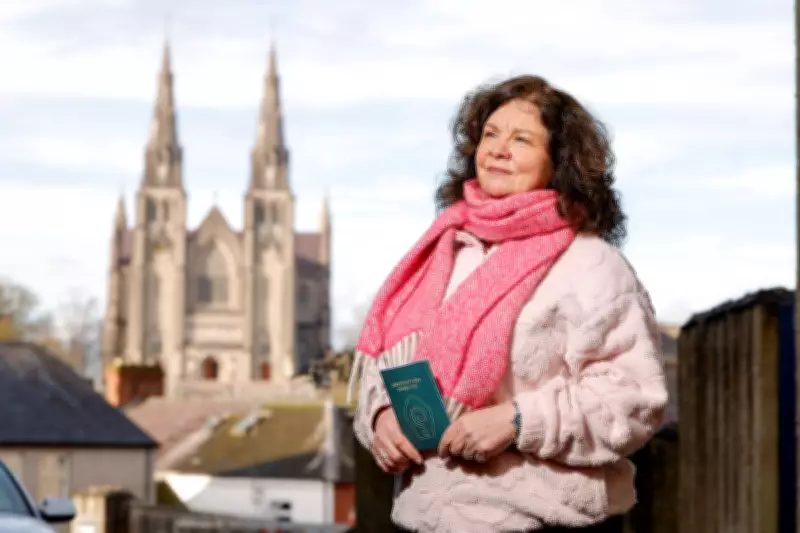
Walkers undertaking this spiritual journey can complete a Pilgrim's Passport with stamps collected at ten designated locations along the route. The entire pilgrimage typically requires between six to ten days to complete, depending on individual pace and preference.

The Visionary Behind the Route
The walk was originally conceived by the late Alan Graham, an experienced pilgrim who had completed the Camino de Santiago multiple times and undertaken expeditions across Arctic and Alpine landscapes. Armagh tour guide Donna Fox has paid tribute to Mr Graham's visionary approach in creating this unique route.
"Alan was the instigator, he had done the Camino many times," Ms Fox recalled. "He was probably in his late 70s when I met him, and fit as a fiddle - if you could have seen him getting up the side of a mountain, he was unreal. He shared all the stories with me and came along on the first tour."
A Journey of Mind, Body and Spirit
Ms Fox describes the pilgrimage as "a blend of sweeping vistas and a rare opportunity to step away from the pace of modern life." She emphasizes that the experience represents both a physical challenge and a mindful journey.
"It is as much a mindful journey as a physical one - a chance to absorb the landscape that shaped Patrick's mission, and to reflect on the myths, legends and lived experiences that continue to surround his story," she explained. "When you walk this route, you begin to understand Patrick not just as a historical figure, but as someone who moved through real places, real communities and real landscapes."
The tour guide has experienced magical moments along the route, from walking through thunderstorms and silent woods to admiring wild swans in their natural habitat.
Growing International Recognition
In the decade since its launch, St Patrick's Way has gained increasing popularity among walkers worldwide. Ms Fox notes particular interest from German and Austrian visitors, as well as those who have previously completed the Camino de Santiago and local residents seeking similar challenges.
She recommends starting the pilgrimage at the Navan site, where visitors can "feel the presence of St Patrick, despite its Celtic roots." This location, known historically as Emain Macha, served as the ceremonial and political capital of Ulster, the seat of kings and queens, and a landscape associated with authority, ritual and identity.
Historical Significance and Modern Relevance
Ms Fox explains Saint Patrick's strategic choice of Armagh: "He was drawn to Armagh because the royalty of Ulster were there, so if he could convert them, then he was in a better position to convert the rest of the population. We believe that's why he chose Armagh as a place that he founded his first stone church around 445, which is now the location of the Church of Ireland cathedral."
From Navan, walkers progress into Armagh city itself, passing early ecclesiastical sites before climbing Drumsailleach, or Sally Hill - where Patrick constructed his first stone church in 445AD. "At a time when Irish settlements were constructed mainly in wood, choosing stone was powerful," Ms Fox noted. "It was about permanence. About establishing something that would last."

She concludes with a powerful reflection on the route's significance: "St Patrick's Way isn't just a walk - it's a living connection to the places that shaped Patrick's mission, and in Armagh, that connection is celebrated every day."