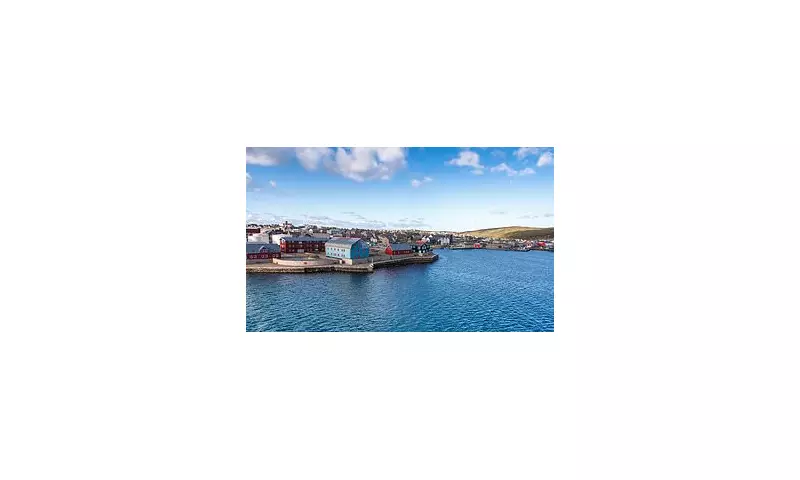
In the remote, windswept expanse of the North Sea, more than 200 miles from the Scottish mainland, lies the Shetland archipelago. This collection of over 100 islands is famed for its dramatic cliffs, wild moorland, and a coastline stretching almost 1,700 miles.
A Pristine and Wildlife-Rich Haven
Shetland offers a spectacular natural showcase. It is one of the UK's prime locations for witnessing the Northern Lights, known locally as the 'mirrie dancers'. The surrounding waters are a year-round haven for marine mammals, including common seals, grey seals, otters, harbour porpoises, and even occasional orcas. Notably, the neighbouring Orkney waters are home to at least 25,000 grey seals.
The heart of this island community is Lerwick, Shetland's only town and capital. With a population of roughly 7,500, it is the main port for ferries from Aberdeen and Kirkwall. The town has recently earned a significant accolade, being named Scotland's cleanest place in a report by The Express, a title it has previously held for its exceptional water quality.

Charm and Cleanliness in the Island Capital
Lerwick's charm lies in its stone-built streets, local cafes, and bustling seaside harbour. It is uniquely positioned midway between Aberdeen and Bergen, Norway. The town's cleanliness is no accident; data from Keep Scotland Beautiful shows Shetland consistently scores near 99% in environmental surveys, thanks in part to community efforts like the annual 'Da Voar Redd Up' clean-up campaign.
Visitors can find iconic spots like Bain's Beach, accessible only at low tide and popular with wild swimmers, and the famous Lodberrie building at Bains Beach. This traditional merchant's house, also known as the fictional home of TV detective Jimmy Perez from the BBC series 'Shetland', is one of the most photographed buildings in the isles.
Shetland's natural beauty is further highlighted by its award-winning beaches. In the latest Scotland's Beach Awards, West Sandwick and the Sands of Breckon were recognised for their white sands and clear waters.
The Double-Edged Sword of Tourism
However, this pristine environment faces a growing challenge. The very remoteness and beauty that define Shetland and neighbouring Orkney are attracting overwhelming numbers of visitors. At the peak of the season from May to October, cruise liners can disembark around 6,000 people onto Orkney's shores.
This influx creates a significant strain, with reports indicating a ratio of 20 tourists for every local resident at peak times. The consequences are tangible: damaged walkways, congested roads, and the erosion of fragile tourist sites. Locals on some islands describe feeling under siege from the sheer volume of anti-social visitors, highlighting a pressing conflict between preserving natural heritage and accommodating the tourism economy.
Shetland, with its simmer dim, native ponies, and mirrie dancers, remains a breathtaking destination. Yet, its communities are now navigating the complex reality of protecting their cherished clean and wild landscapes from the footprint of their own popularity.