Scottish Attractions Blame Weather Apps for Costly Visitor Slumps
Scottish visitor attractions are pointing the finger at weather applications for significant financial losses, arguing that these digital tools frequently misrepresent actual conditions. Forecasters are now under pressure to overhaul how daily weather is displayed, with the Royal Zoological Society of Scotland (RZSS) leading the charge for enhancements to the Met Office app.
Financial Impact of Misleading Forecasts
The charity, which operates Edinburgh Zoo and the Highland Wildlife Park, reports that it can forfeit tens of thousands of pounds in revenue each day when tourists abandon plans due to fears of persistent rain. Despite often enjoying sunshine with only brief showers, these venues suffer when apps suggest worse weather throughout the day.
RZSS deputy chief executive Ben Supple explained: ‘Many people decide how they will spend their day based on the weather and a quick glance at their phone. Our concern is that many sites display a rain icon for the entire day, even if wet weather is only forecast for a short period early in the morning or late at night.’

He added: ‘Unfortunately, this can create the misleading impression that the whole day will be wet and put people off visiting.’
Campaign for Improved Weather Presentation
The RZSS has joined calls for discussions with the Met Office, the Government, and other major weather app developers to refine how forecasts are presented. According to the society, footfall can plummet by up to 30 percent when inclement weather is predicted by these applications.
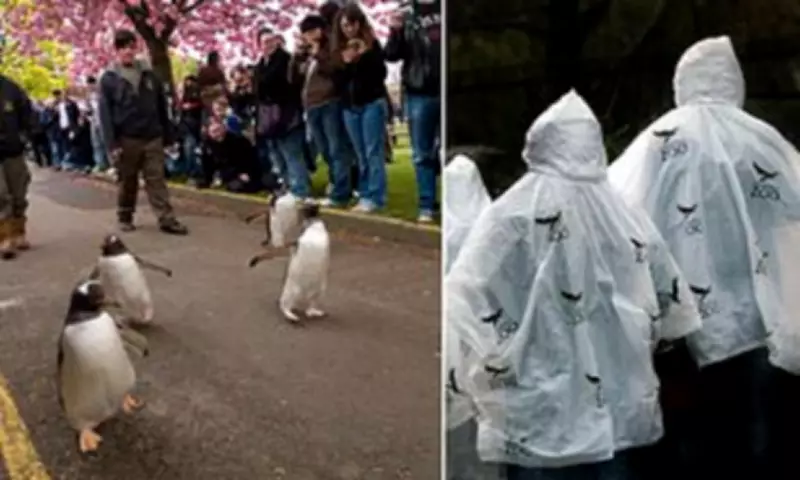
During school holidays, visitor numbers at Edinburgh Zoo and the Highland Wildlife Park in Kincraig, Inverness-shire, can drop by 2,000 individuals, costing the charity as much as £40,000 on anticipated wet days. This sum is sufficient to feed all the penguins at the zoo—which parade daily—for over a year.
Proposed Solutions and Broader Support
Many apps rely on icons to convey weather conditions, showing a rain symbol for the entire day even if precipitation is expected only briefly. Mr Supple suggested practical improvements:
- Splitting weather icons into day and night conditions
- Adding concise summaries such as “showers early, followed by brighter weather”
- Including indicators for expected hours of dry weather
He emphasised: ‘This matters because every visitor to our zoos helps fund vital conservation work, including efforts to save Scotland’s wildcats.’
The campaign has garnered support from the Association of Scottish Visitor Attractions, with its chief executive Michael Golding also advocating for better forecasts. Golding stated: ‘There is a clear link between the weather and people visiting zoos, wildlife parks and other attractions, so it is vital the public does not receive mixed messages.’
He continued: ‘Accurate weather information is essential for decision-making, particularly for families, older visitors and people with additional needs.’
National Concerns and Met Office Response
Tourist attractions across the United Kingdom have echoed these concerns, urging the Met Office to review its app. Over 80 venues, including Cheshire Zoo and Blackpool Pleasure Beach, report losses of up to £137,000 daily due to similar issues.
Tabitha Aldrich-Smith of the Met Office responded: ‘We are committed to providing accessible forecasts tailored to make the most of the UK weather. Recognising that days out are an integral part of our culture, we aim to support the outdoor industry, from attractions to festivals, as they prepare for the season ahead.’