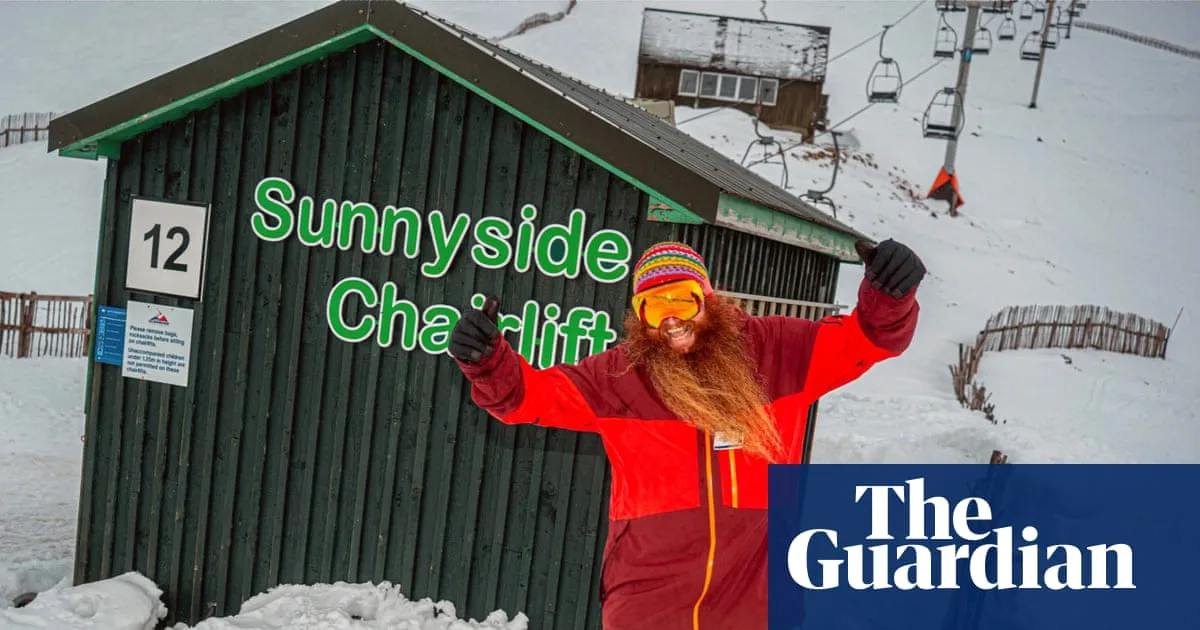
While the Winter Olympics dominate screens, photographer Dougie Wallace turned his lens to Scotland's ski areas of Glenshee, Cairngorm Mountain, Glencoe and Nevis Range. There, a thaw, a band of rain, or a gust can change everything. When the snow comes, car parks fill quickly; word spreads, and by mid-morning access roads are tight with hatchbacks and cautious optimism.
The project was partly inspired by the Milano Cortina Winter Olympics, imagining what the Games might look like if staged in Scotland. It was not about shiny podiums but about how weather, people and place might shape a very different kind of event. Clear skies are rare — over seven days shooting, Wallace had only two blue-sky days. Flat light is common, and conditions can turn within minutes.
Skiing is only part of the story now; visitor numbers often swell beyond those clipping into bindings. During the Covid lockdowns, some of the best snow in years lay untouched — blue skies, empty slopes, but no one allowed to use them. There is no glamour here, no polished Alpine certainty; there are tired legs and small private victories. Infrastructure strains under a good weekend, car parks max out, and weather warnings flash. Yet when the snow falls, they come back.
Wallace shot for seven days, living in a camper van with his dog Flash. The Glenshee snowsports centre is Scotland's largest ski area, spread across the Cairnwell pass between Deeside and Perthshire. Base altitude is 650 metres, top altitude 1,060 metres. The Cairngorm ski area sits in a sub-arctic environment where weather changes fast and visibility can disappear within minutes. Base altitude 635 metres, top altitude 1,245 metres.
Gaelic words linger in place names and voices; the modern signs are deliberate, reminding travellers they are moving through a land older than the motorway. Scotland teaches patience one metre at a time — four weathers in one day. As they say, if you can ski in Scotland, you can ski anywhere.